





Consult Dr Seng if conservative treatment no longer provides sufficient relief.

Consult Dr Seng if conservative treatment no longer provides sufficient relief.


Shoulder pain is one of the most common musculoskeletal complaints among Singaporeans, and can stem from a variety of causes from injury to overuse, or ageing-related wear and tear. This could be attributed to the largely desk-based work culture in Singapore and an ageing population that is more susceptible to degenerative orthopaedic conditions. While some shoulder injuries improve with rest, others can progressively worsen if left untreated, especially with long hours at a computer, repetitive movements doing chores, intensive gym training, or age-related changes. This can lead to chronic pain, reduced mobility, and difficulty performing everyday tasks such as driving, exercising, or even getting dressed.
Many people delay seeking medical attention, assuming their symptoms will resolve on their own. However, early evaluation by a shoulder specialist can make a significant difference in identifying the underlying cause, preventing further damage, accessing targeted shoulder procedures and determining whether surgery may be appropriate to support recovery and shoulder function.
If you're experiencing persistent shoulder discomfort, weakness, or restricted movement, understanding the warning signs can help you determine when it's time to seek specialist care.
Recognising the Signs and Symptoms of a Shoulder Injury
Shoulder injuries can present in different ways depending on the underlying condition and its severity. While some cases improve with rest and conservative treatment, others may require specialist care to prevent further damage and restore function.
Common Signs and Symptoms of a Shoulder Injury
Many shoulder conditions share similar symptoms, including:
- Persistent or sharp pain, especially during arm movement
- Swelling, tenderness, or warmth around the joint
- Stiffness and reduced range of motion
- Clicking, grinding, or popping sensations
- Weakness in the arm or shoulder
- Pain that worsens at night or in certain positions
Signs of a More Serious Shoulder Injury
Some symptoms may indicate a more significant injury that requires prompt medical attention.
Severe Deformity
A visibly misshapen shoulder is often a sign of a dislocation, fracture, or significant joint injury. You may notice that one shoulder appears lower than the other, a prominent bump near the collarbone, or a shoulder that looks "out of place."
Inability to Move Your Arm
After an injury, it is normal to experience some discomfort and temporary stiffness. However, if you are unable to raise your arm, reach overhead, or perform simple movements, this may indicate a more serious problem.
Signs of Fracture
While fractures are commonly associated with falls or high-impact trauma, they can sometimes occur from seemingly minor incidents, particularly in older adults with reduced bone density.
These signs include:
- Severe, immediate pain following an injury
- Rapid swelling around the shoulder
- Extensive bruising
- A cracking or snapping sensation at the time of injury
- Difficulty or inability to move the arm
- Visible deformity or an unusual bump
If you experience any of the above, or if your shoulder pain persists for more than two weeks, interferes with sleep, or affects your range of motion, consult a shoulder specialist for a proper diagnosis and treatment plan.
Common Shoulder Conditions Treated by Shoulder Specialists
Not all shoulder pain requires surgery, but persistent symptoms can sometimes indicate an underlying condition that benefits from specialist assessment. Depending on the diagnosis, treatment may range from physiotherapy and medication to minimally invasive procedures such as arthroscopic shoulder surgery.
Rotator Cuff Tears
Rotator cuff tears can affect shoulder strength, mobility and everyday function. A shoulder specialist can assess the severity of the injury and recommend appropriate treatment options, ranging from rehabilitation to surgical repair.Frozen Shoulder
Frozen shoulder can lead to progressive pain and stiffness that limits movement. Treatment focuses on improving mobility, managing symptoms and supporting recovery.Shoulder Dislocation and Instability
Recurrent shoulder dislocation and instability can affect confidence in movement and increase the risk of further injury. Specialist treatment aims to restore stability and shoulder function.Bursitis and Tendonitis
Inflammation of the shoulder's soft tissues can cause pain and restrict daily activities. Treatment focuses on relieving symptoms, addressing contributing factors and improving movement.Shoulder Fracture
Shoulder fractures may require specialist assessment to ensure proper healing and recovery. Treatment options depend on the type and severity of the injury.Shoulder Impingement Syndrome
Shoulder impingement can cause pain during overhead movements and repetitive activities. Treatment aims to relieve pressure on the affected tissues and restore comfortable movement.Shoulder Labral Tears
Labral tears can affect shoulder stability and function. A specialist can determine the extent of the injury and recommend appropriate management strategies.Shoulder Arthritis
Shoulder arthritis can lead to chronic pain, stiffness and reduced mobility. Treatment is tailored to the severity of joint degeneration and the patient's functional goals.Sports-Related Shoulder Injuries
Sports injuries affecting the shoulder can involve the muscles, tendons, ligaments or cartilage. Specialist care focuses on accurate diagnosis, treatment and safe return to activity.
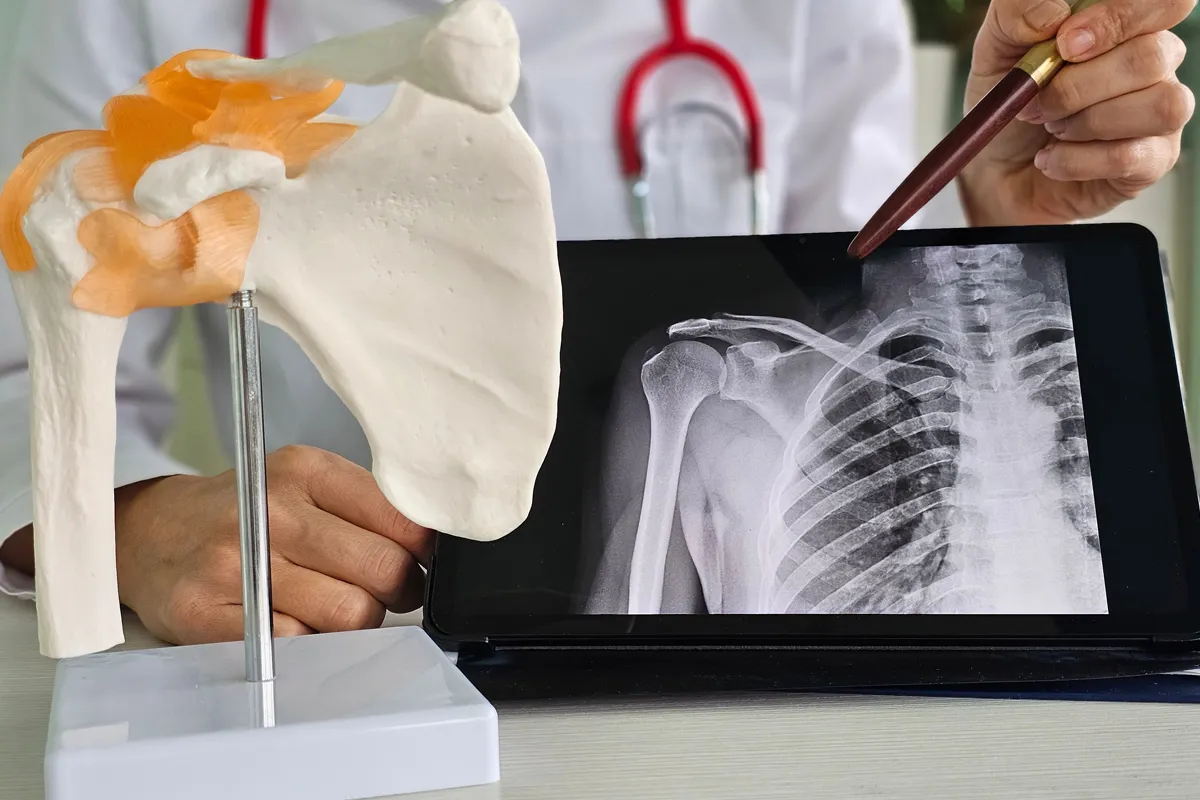
What to Expect During Shoulder Specialist Appointments
A shoulder specialist will conduct a thorough assessment to determine the cause of your symptoms and recommend the most appropriate treatment plan.
Assessment of Shoulder Condition
During your consultation, your specialist may:
- Review your medical history and symptoms
- Assess your shoulder movement, strength and stability
- Evaluate how your symptoms affect daily activities
- Recommend imaging investigations such as X-rays, ultrasound scans, CT scans or MRI scans when required
This assessment helps determine the underlying cause of your shoulder pain and guides treatment recommendations.
Non-Surgical Shoulder Treatment Options
Many shoulder conditions can be managed without surgery. Depending on the diagnosis, treatment may include:
- Physiotherapy and rehabilitation
- Activity modification
- Pain management medication
- Corticosteroid injections
- Hydrodilatation for selected cases of frozen shoulder
Shoulder Surgery Options in Singapore
When conservative treatments do not provide sufficient relief, shoulder surgery may be considered to restore shoulder function, improve stability or address structural damage.
Common shoulder procedures include:
- Arthroscopic (keyhole) shoulder surgery
- Rotator cuff repair
- Shoulder stabilisation procedures
- Labral repair
- Biceps tendon procedures
- Total shoulder replacement surgery
The most appropriate treatment approach depends on the specific condition, severity of symptoms and individual patient needs.
Start Your Recovery Journey with Axis Shoulder Injury Clinic
Shoulder pain and injuries can affect your ability to work, exercise, and carry out everyday activities comfortably. While some conditions improve with rest and conservative treatment, persistent pain, weakness, restricted movement, or symptoms following a traumatic injury should not be ignored.
An early assessment at Axis Shoulder Injury Clinic can help identify the underlying cause of your symptoms and ensure you receive the most suitable treatment, whether that involves physiotherapy, medication, injections, or shoulder surgery. Dr Seng Chusheng is an experienced orthopaedic surgeon who provides personalised assessment and treatment for a range of shoulder conditions.
If you are unsure whether your symptoms require specialist evaluation, arranging a consultation can help provide clarity on your diagnosis and available treatment options.
Frequently Asked Questions (FAQs) About Shoulder Injuries and Surgery
How Long Should I Wait Before Seeing a Specialist for Shoulder Pain?
While minor strains may improve within a few days, persistent shoulder pain lasting more than two weeks, recurring symptoms, or discomfort that affects sleep, work, or daily activities should be assessed by a shoulder specialist. Early diagnosis can help prevent symptoms from worsening and improve treatment outcomes.
Will I Always Need Surgery if I Have a Condition Like a Rotator Cuff Tear or Joint Damage?
No. Many shoulder conditions can be effectively managed with non-surgical treatments such as physiotherapy, activity modification, medication, or injections. Surgery is typically considered only when conservative treatments fail to provide relief or when there is significant structural damage that requires repair.
How Long Does Recovery Take After Shoulder Surgery?
Recovery varies depending on the type of shoulder surgery performed and the severity of the condition. While some patients resume light daily activities within a few weeks, complete recovery and rehabilitation may take several months. Following your surgeon's post-operative instructions and physiotherapy programme is essential for optimal results.

Dr Seng Chusheng
Senior Consultant Orthopaedic Surgeon (Sports & Exercise Medicine)
MBBS (Singapore), MRCS (Edinburgh), MMed (Orth), FRCS (Edinburgh)
Dr Seng Chusheng is a senior consultant orthopaedic surgeon with over 20 years of clinical experience and a focus on shoulder conditions. He manages a broad range of shoulder problems, including rotator cuff tears, shoulder dislocations, frozen shoulder and arthritis. Dedicated to supporting shoulder recovery, he provides personalised treatment plans aimed at restoring movement, reducing pain and improving daily function.
Dr Seng completed his MBBS and Master of Medicine in Orthopaedic Surgery at the National University of Singapore and is a Fellow of the Royal College of Surgeons of Edinburgh, UK. His approach emphasises careful diagnosis and evidence-based treatment, with close collaboration with physiotherapists to support recovery.
At Axis Shoulder Injury Clinic, supporting our patients in their recovery and regaining of mobility is our top priority.
We warmly welcome patients with shoulder injuries to experience our customised treatment. Call us at 9711 8888 for same-day or next day consultation!
Contact Info

Mount Elizabeth Novena Medical Centre
38 Irrawaddy Road, #06-33Singapore 329563
Parkway East Medical Centre
319 Joo Chiat Place, #04-08,Singapore 427989
Mount Alvernia Medical Centre A
820 Thomson Road, #03-08,Singapore 574623

Telephone


Operating Hours
| Mon - Fri | : | 8:30am - 5:30pm |
| Sat | : | 8:30am - 12:30pm |
| Sunday & PH : Closed | ||