




Consult Dr Seng if conservative treatment no longer provides sufficient relief.
Consult Dr Seng if conservative treatment no longer provides sufficient relief.
Rotator Cuff Tears: Causes, Symptoms and Treatments
Rotator cuff tears are a common shoulder condition that can cause pain, weakness and a reduced range of motion. They may develop gradually over time or occur suddenly due to injury. Understanding the causes, symptoms and available treatment options can help guide timely and effective management.

What Is a Rotator Cuff Injury?
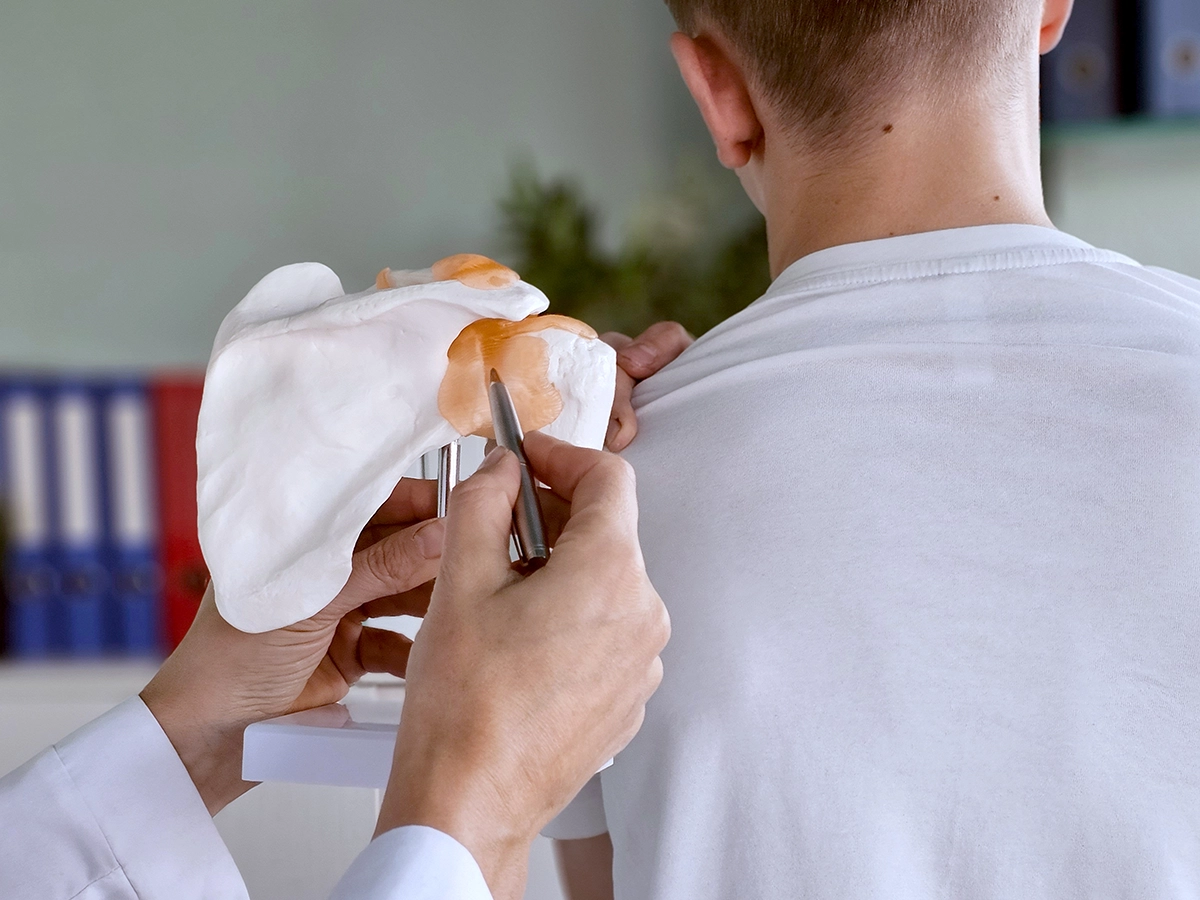
The rotator cuff is a group of muscles and tendons that surround the shoulder joint, helping to stabilise it and enable smooth movement. A rotator cuff injury can occur when these tendons are damaged due to tears, inflammation (tendonitis) or impingement.
These conditions can significantly affect shoulder strength and mobility, and may worsen over time if left untreated.
What Causes a Rotator Cuff Injury?
Rotator cuff injuries can occur due to sudden trauma, such as a fall or lifting injury, or develop gradually from wear and tear over time, especially with repetitive shoulder use. Understanding the underlying cause is important, as it helps guide appropriate treatment and reduce the risk of recurrence.

What Are the Common Symptoms of a Rotator Cuff Injury?
Symptoms of a rotator cuff injury may develop gradually or occur suddenly, depending on the type of injury. Common signs include:
 Shoulder pain, especially during movement or at night
- Weakness in the affected arm
- Limited range of motion
- Difficulty lifting or performing overhead activities

Early recognition of these symptoms can support faster recovery and better treatment outcomes.
Let our specialist evaluate and address your concerns.
How Is a Rotator Cuff Injury Diagnosed?
A shoulder specialist will use a combination of clinical examination and imaging tests to confirm and classify a rotator cuff injury.
Medical history and symptom review
Understanding how the injury developed and how it affects daily activities
Physical examination
Assessing range of motion, strength and performing specific tests to evaluate shoulder function
Imaging tests
X-rays may be used to rule out arthritis or bone spurs, while MRI or ultrasound helps visualise tendon tears and soft tissue damage
An accurate diagnosis is essential to determine the most appropriate treatment approach, whether non-surgical or surgical.
What Are the Risk Factors of a Rotator Cuff Injury?
Certain factors can increase the likelihood of developing a rotator cuff injury or contribute to its progression. These include:
- Age (particularly over 40)
- Occupations or sports involving repetitive overhead movements
- Previous shoulder injuries or surgery
- Smoking or conditions that reduce blood supply to the tendons
Being aware of these risk factors can help with early intervention, prevention and better long-term shoulder health.

What Are the Treatment Options for a Rotator Cuff Injury?
Treatment for a rotator cuff injury depends on the severity of the condition and the patient’s symptoms, with the goal of reducing pain and restoring shoulder function.
Non-surgical Treatments
Non-surgical options are often the first line of treatment, especially for partial tears or mild to moderate symptoms. These approaches aim to reduce inflammation, improve mobility, and strengthen the surrounding muscles.
Common non-surgical treatments include:
- Rest and activity modification to avoid movements that worsen pain
- Physiotherapy to improve strength, flexibility, and shoulder stability
- Pain relief medication to manage discomfort and inflammation
- Targeted exercises to support recovery and prevent further injury
Many patients experience significant improvement with consistent non-surgical treatment, particularly when the injury is detected early.
Rotator Cuff Condition Surgery
Surgery may be recommended for more severe injuries, persistent symptoms that do not improve with conservative treatment, or full-thickness tendon tears. It is also considered for patients with significant weakness or loss of shoulder function.
Procedures typically involve repairing the torn tendon and reattaching it to the bone. In some cases, minimally invasive (arthroscopic) techniques may be used to reduce recovery time and minimise scarring.
Following surgery, a structured rehabilitation programme is essential to restore strength, mobility, and function. With proper treatment and recovery, many patients can return to their normal activities with improved shoulder stability and reduced pain.
How Can a Rotator Cuff Injury Be Prevented?
Preventing rotator cuff injuries involves maintaining good shoulder strength, flexibility and movement habits, while minimising strain from overuse or improper techniques.
- Maintain strong shoulder and upper-back muscles through regular strengthening and stretching exercises to support joint stability
- Use proper technique during overhead activities, sports, and lifting to reduce unnecessary stress on the tendons
- Avoid repetitive heavy lifting or prolonged overhead movements without adequate rest and recovery
- Address underlying health factors such as diabetes or smoking, which can affect tendon health and healing
These preventive measures can help lower the risk of injury and reduce the likelihood of recurrence over time.
Restore Shoulder Function After a Rotator Cuff Tear
Rotator cuff tears can make everyday movements such as lifting the arm, reaching overhead or carrying objects difficult and painful. Without appropriate treatment, symptoms may worsen over time and lead to reduced shoulder strength, stiffness and long-term functional limitation.
At Axis Shoulder Injury Clinic, we provide comprehensive care for rotator cuff injuries, from early-stage tendon damage to more complex tears requiring surgical repair. Dr Seng Chusheng tailors treatment plans to each patient’s condition, activity level and recovery goals, with a focus on relieving pain, restoring shoulder function and supporting long-term joint health. Schedule a consultation for a personalised assessment and evidence-based treatment plan.

FAQs About Rotator Cuff Injuries
What are the types of rotator cuff injuries?
What happens after rotator cuff surgery?
What is keyhole shoulder surgery?
How long does recovery take after rotator cuff tear treatment?
When should I see a shoulder specialist for a rotator cuff injury?
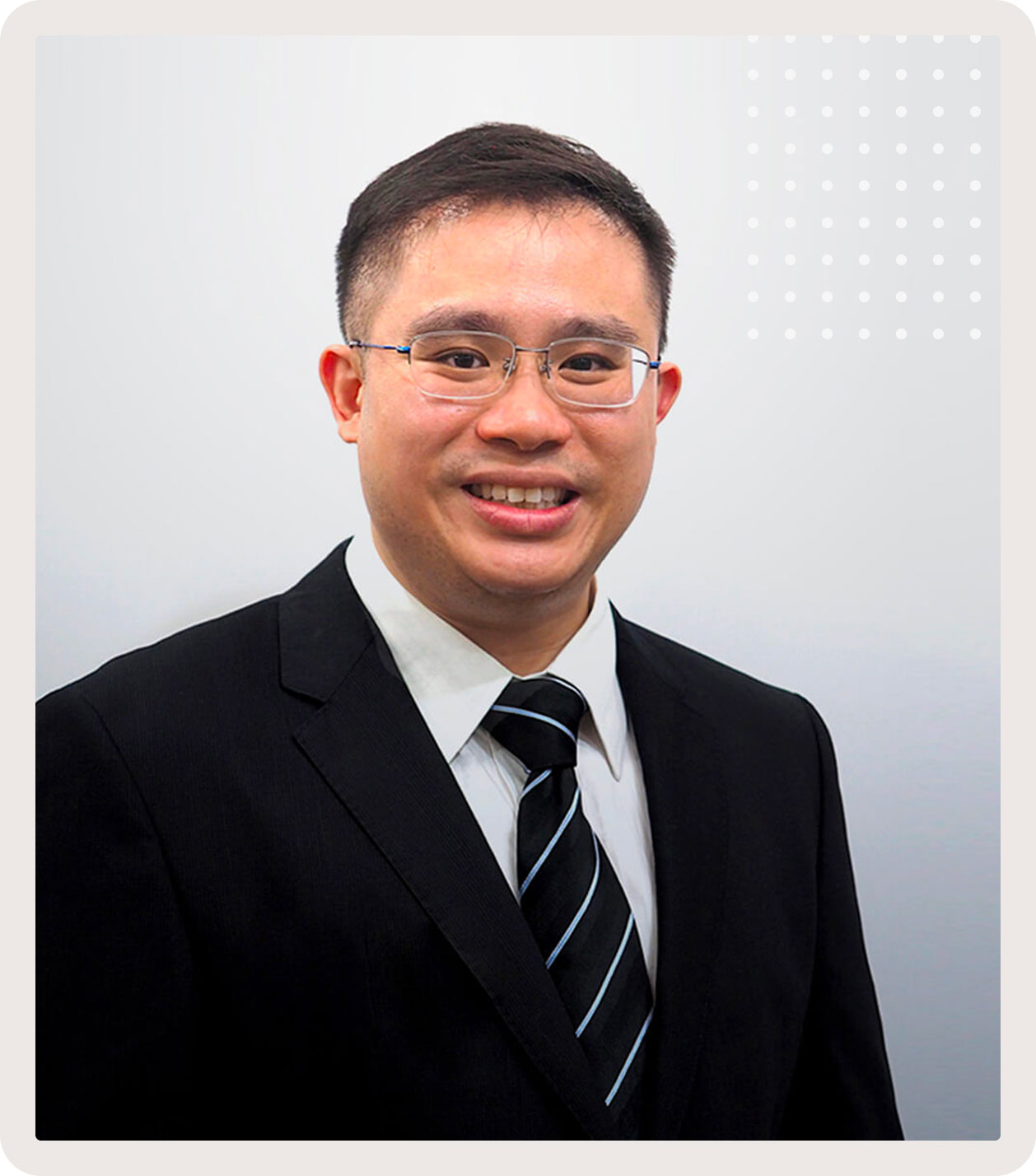
Dr Seng Chusheng
Senior Consultant Orthopaedic Surgeon (Sports & Exercise Medicine)
MBBS (Singapore), MRCS (Edinburgh), MMed (Orth), FRCS (Edinburgh)
Dr Seng Chusheng is a senior consultant orthopaedic surgeon with over 20 years of clinical experience and a focus on shoulder conditions. He manages a broad range of shoulder problems, including rotator cuff tears, shoulder dislocations, frozen shoulder and arthritis. Dedicated to supporting shoulder recovery, he provides personalised treatment plans aimed at restoring movement, reducing pain and improving daily function.
Dr Seng completed his MBBS and Master of Medicine in Orthopaedic Surgery at the National University of Singapore and is a Fellow of the Royal College of Surgeons of Edinburgh, UK. His approach emphasises careful diagnosis and evidence-based treatment, with close collaboration with physiotherapists to support recovery.
At Axis Shoulder Injury Clinic, supporting our patients in their recovery and regaining of mobility is our top priority.
We warmly welcome patients with shoulder injuries to experience our customised treatment. Call us at 9711 8888 for same-day or next day consultation!
Contact Info

Mount Elizabeth Novena Medical Centre
38 Irrawaddy Road, #06-33Singapore 329563
Parkway East Medical Centre
319 Joo Chiat Place, #04-08,Singapore 427989
Mount Alvernia Medical Centre A
820 Thomson Road, #03-08,Singapore 574623

Telephone


Operating Hours
| Mon - Fri | : | 8:30am - 5:30pm |
| Sat | : | 8:30am - 12:30pm |
| Sunday & PH : Closed | ||