




Consult Dr Seng if conservative treatment no longer provides sufficient relief.
Consult Dr Seng if conservative treatment no longer provides sufficient relief.
Shoulder Surgery in Singapore
Shoulder surgery is used to treat a range of conditions affecting the tendons, cartilage, bones and stabilising structures of the shoulder. Depending on the condition and severity of symptoms, procedures may be performed to repair damaged tissues, restore stability, relieve pain and improve shoulder function.

When Is Shoulder Surgery Recommended?
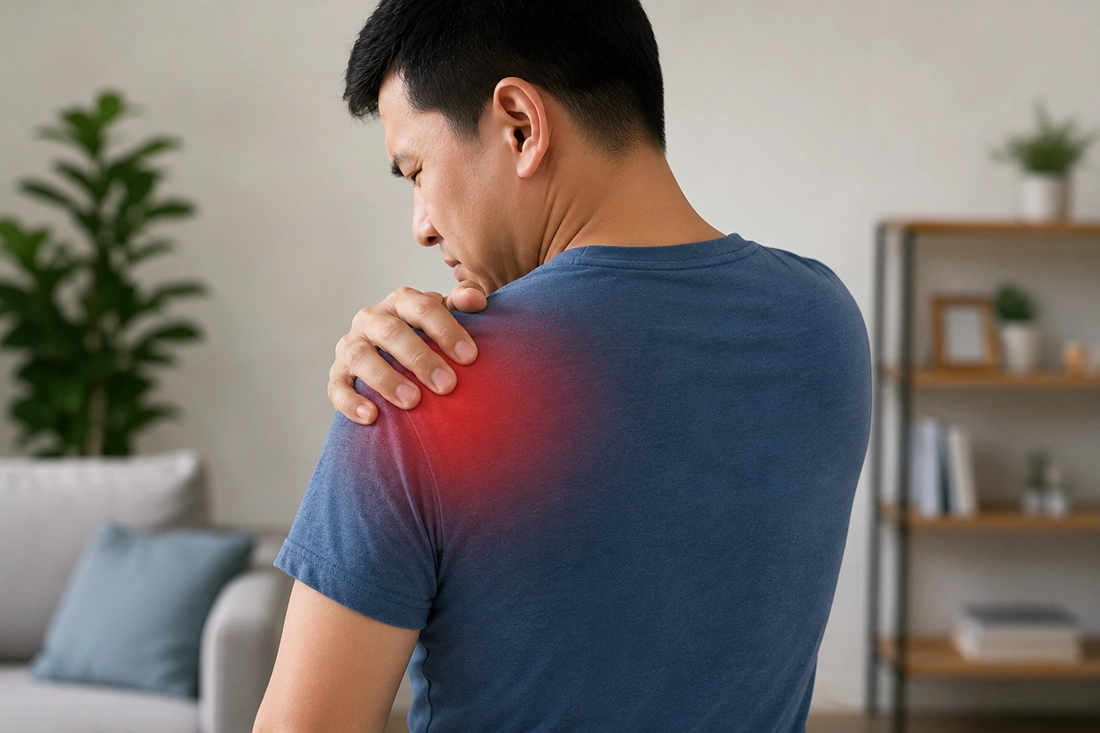
Shoulder surgery is typically recommended when other shoulder treatments such as rest, medication or physiotherapy no longer provide sufficient relief. It may be necessary for conditions like severe rotator cuff tears, persistent instability or advanced joint damage that affect shoulder function. If shoulder pain interferes with your ability to perform daily activities, consult a shoulder specialist in Singapore for timely evaluation and appropriate treatment.
Types of Shoulder Surgery in Singapore
Shoulder procedures in Singapore vary depending on the underlying condition, severity of injury and the patient’s overall health. Orthopaedic specialists will recommend the most suitable surgical approach to relieve pain, restore function, and improve quality of life.
Keyhole Shoulder Surgery
Rotator Cuff Repair Surgery
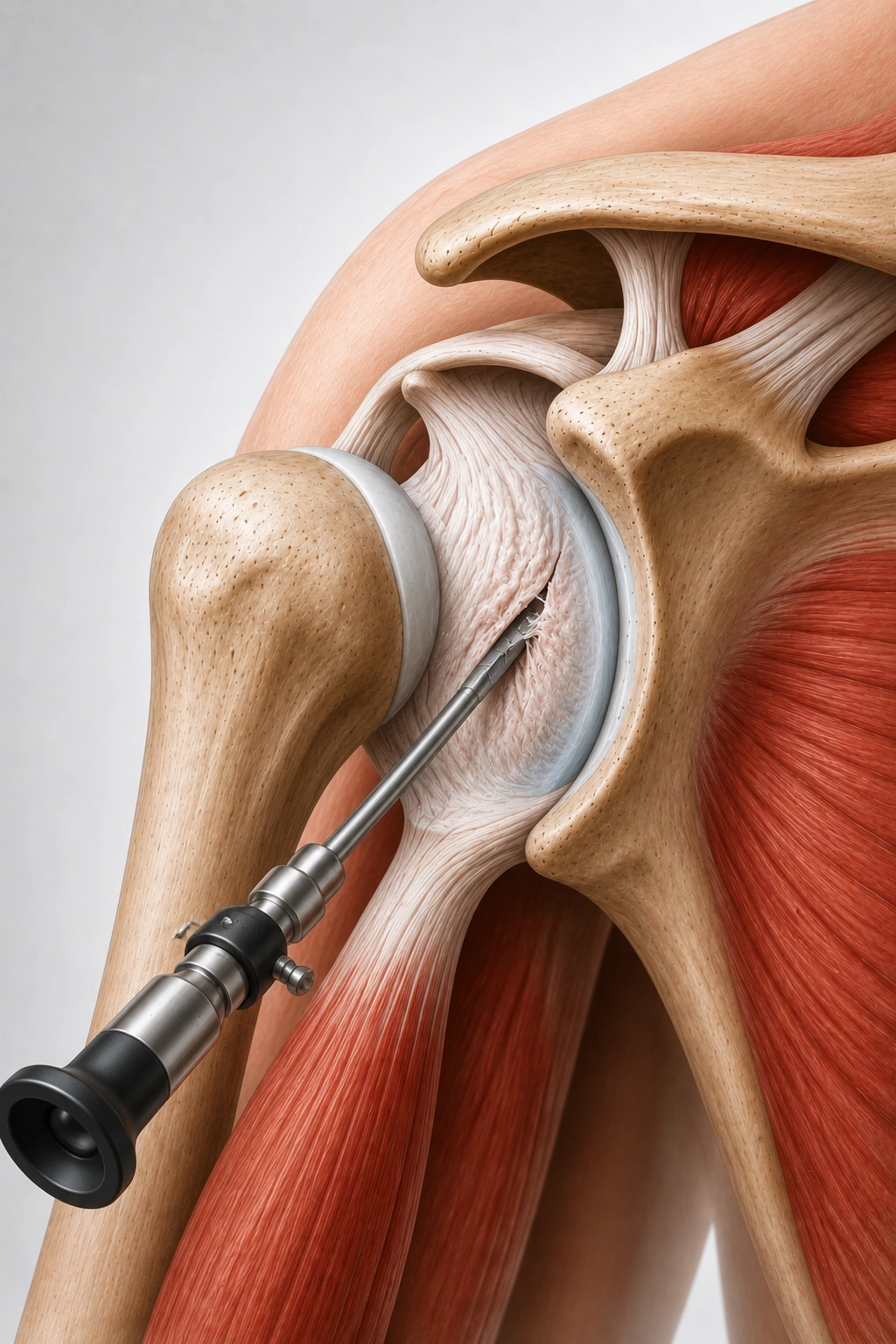
Frozen Shoulder Surgery
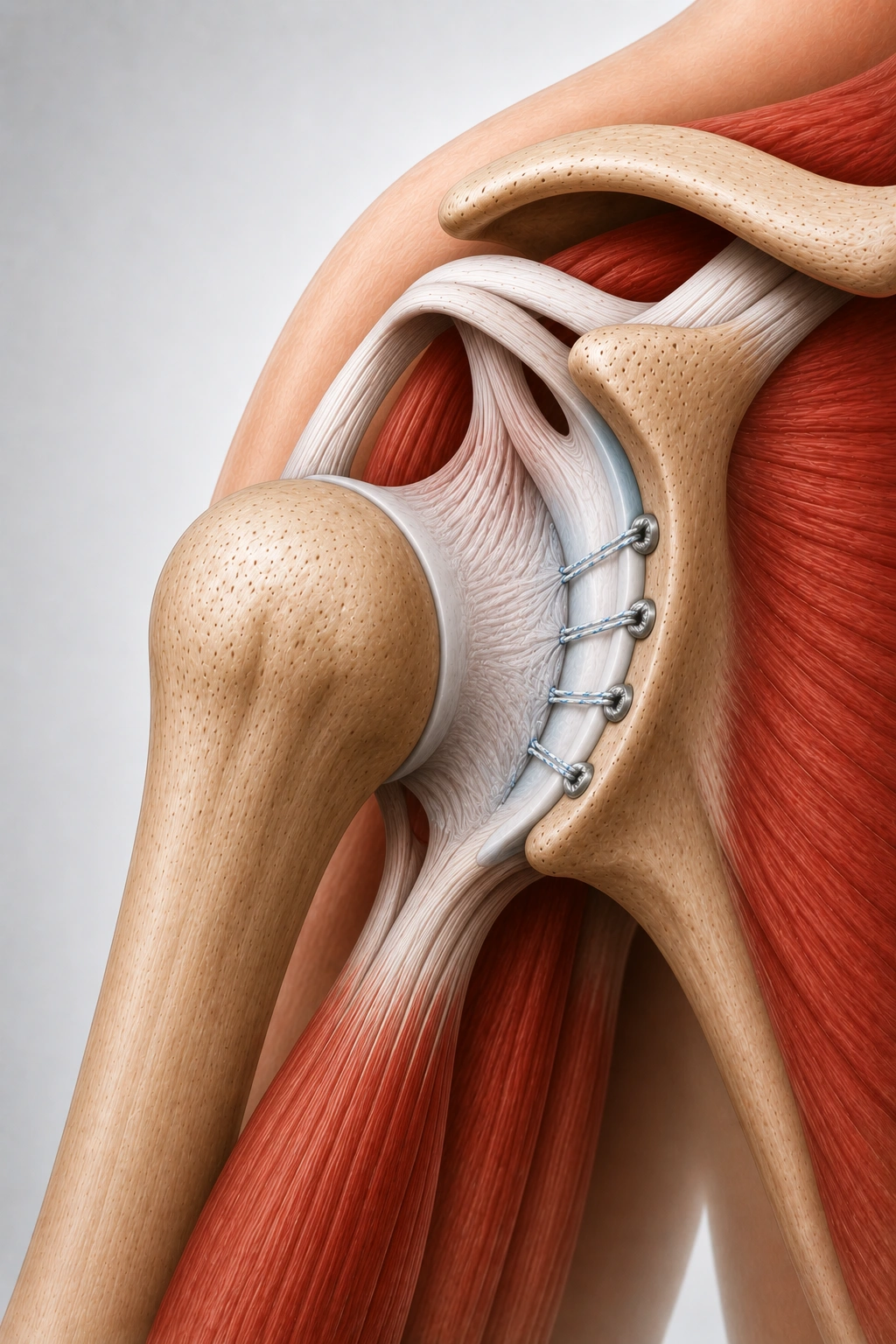
Shoulder Stabilisation Surgery
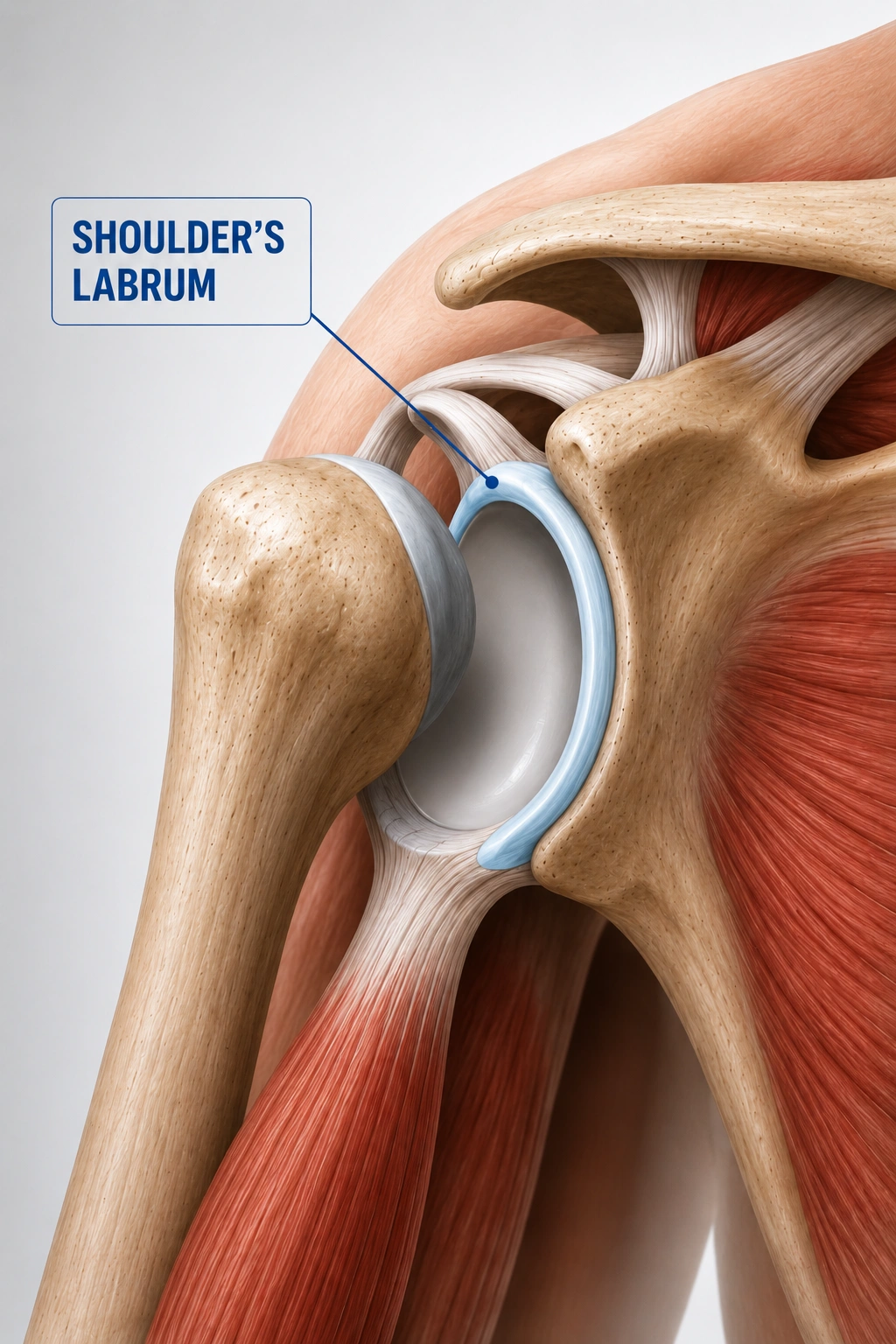
Labral Repair
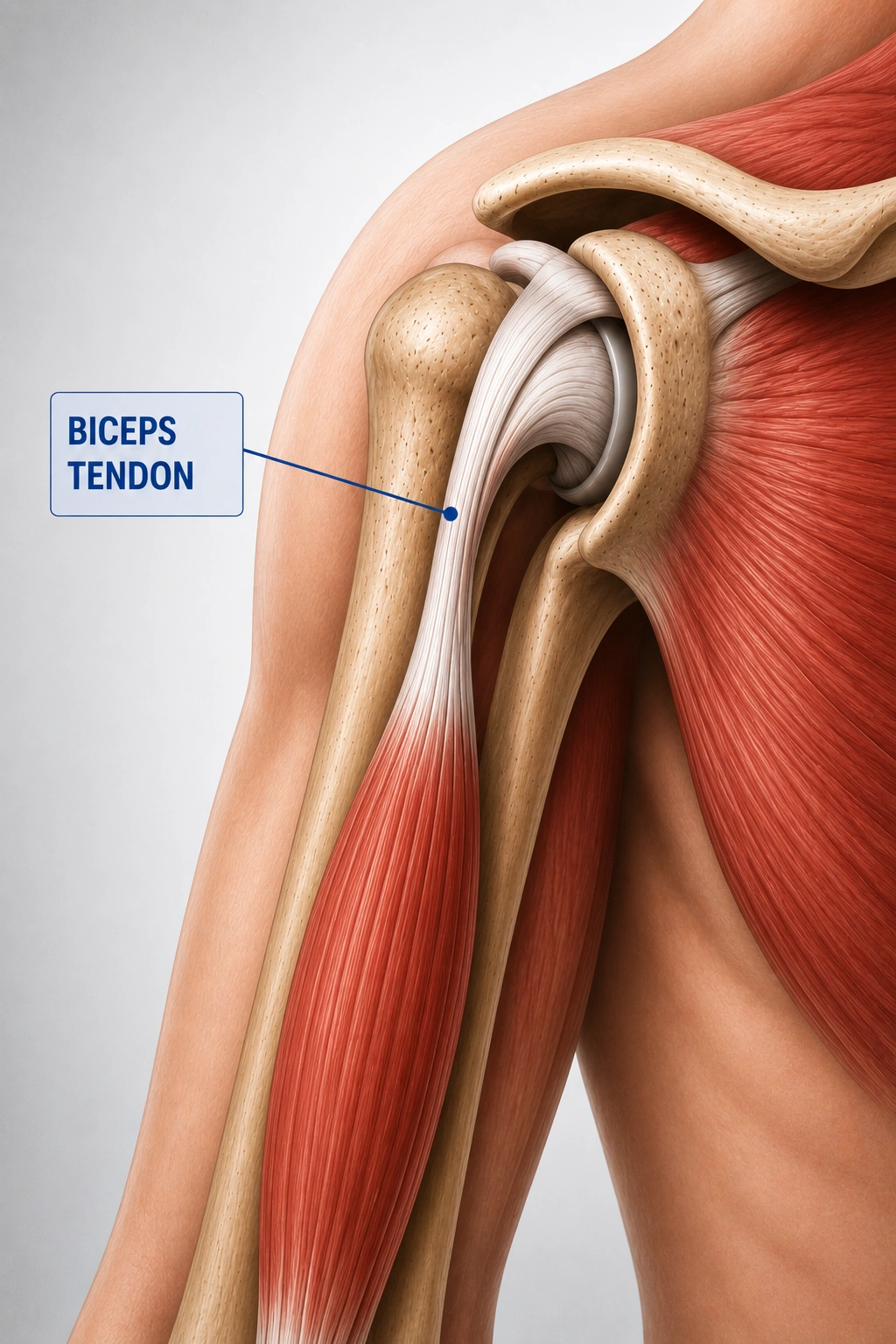
Biceps Tendon Surgery
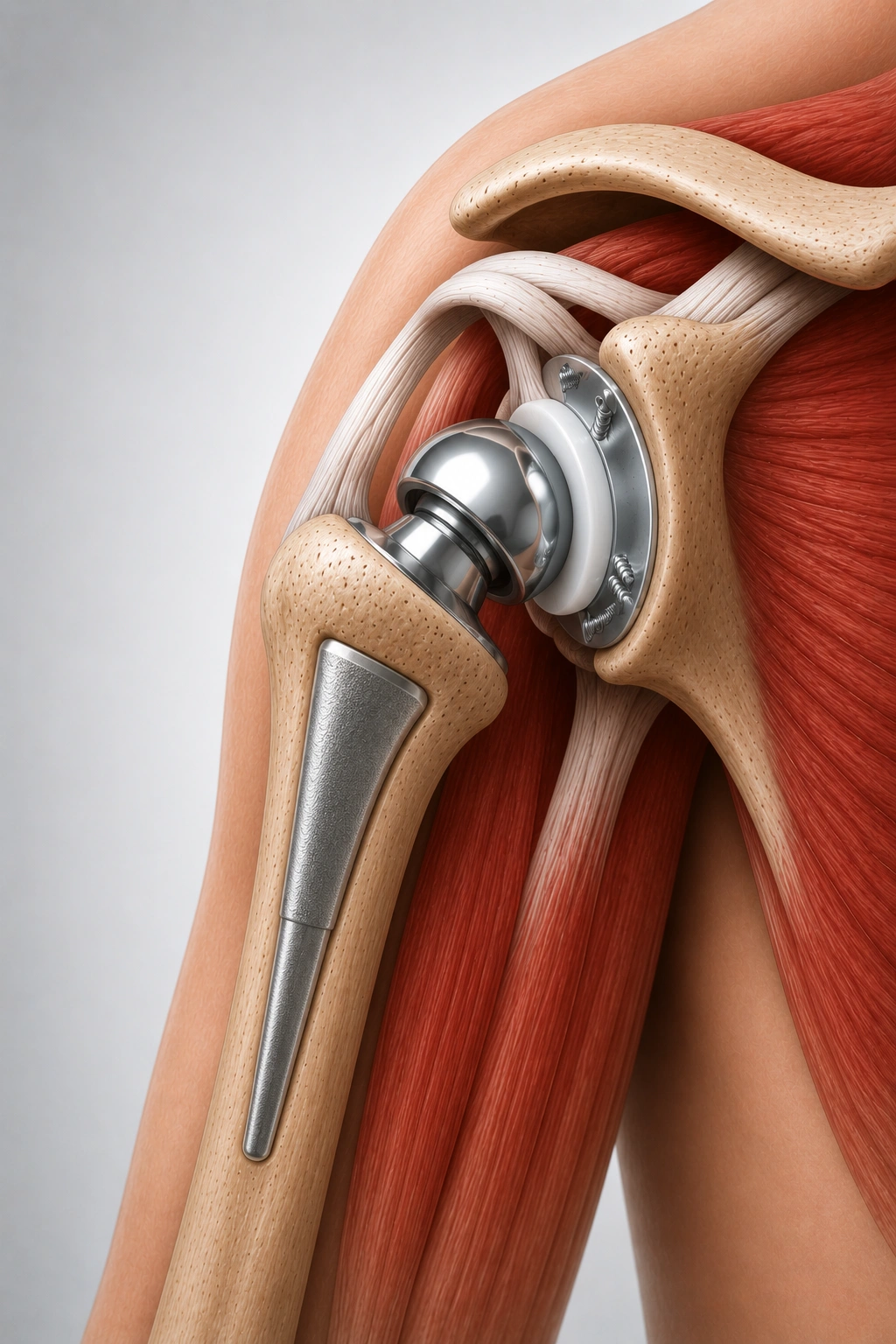
Total Shoulder Replacement
Consult Dr Seng if conservative treatment no longer provides sufficient relief.
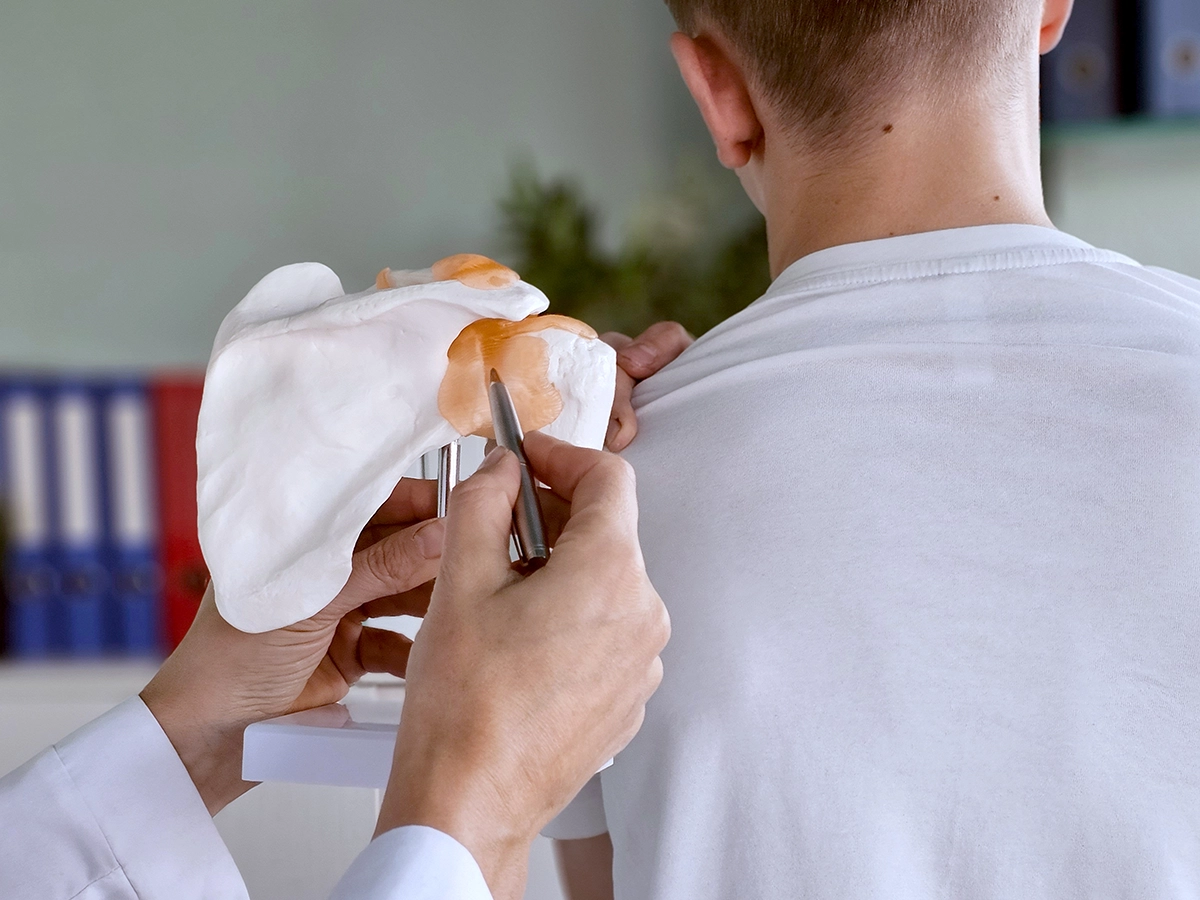
What Happens During Shoulder Surgery?
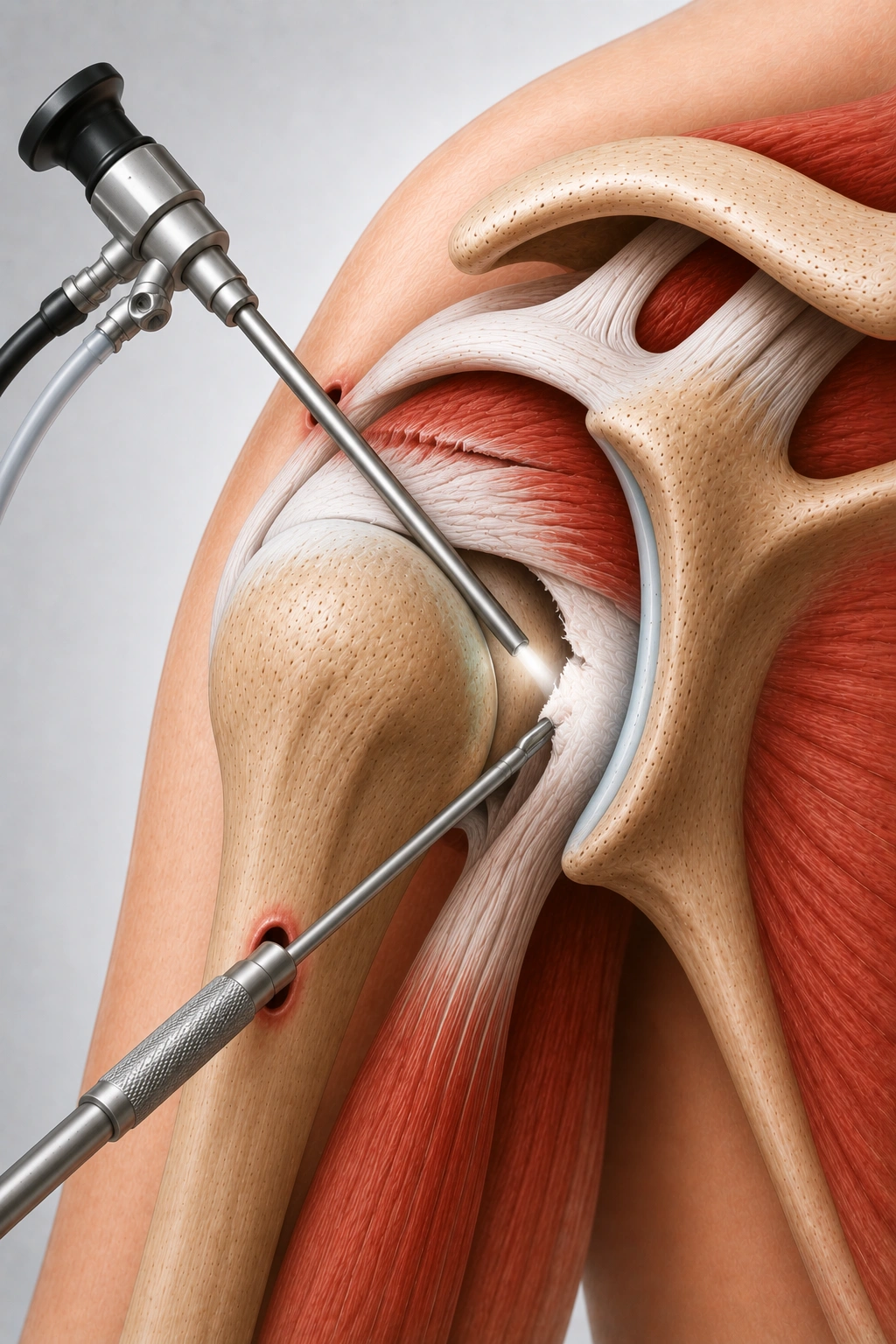
Shoulder surgery is tailored to the specific condition affecting the joint, tendons or surrounding structures. Depending on the procedure, surgery may be performed using minimally invasive (arthroscopic) techniques or through an open approach for more complex repairs or joint replacement procedures.
During surgery:
 General or regional anaesthesia is used to keep the patient comfortable
- Small incisions and specialised instruments may be used in arthroscopic procedures
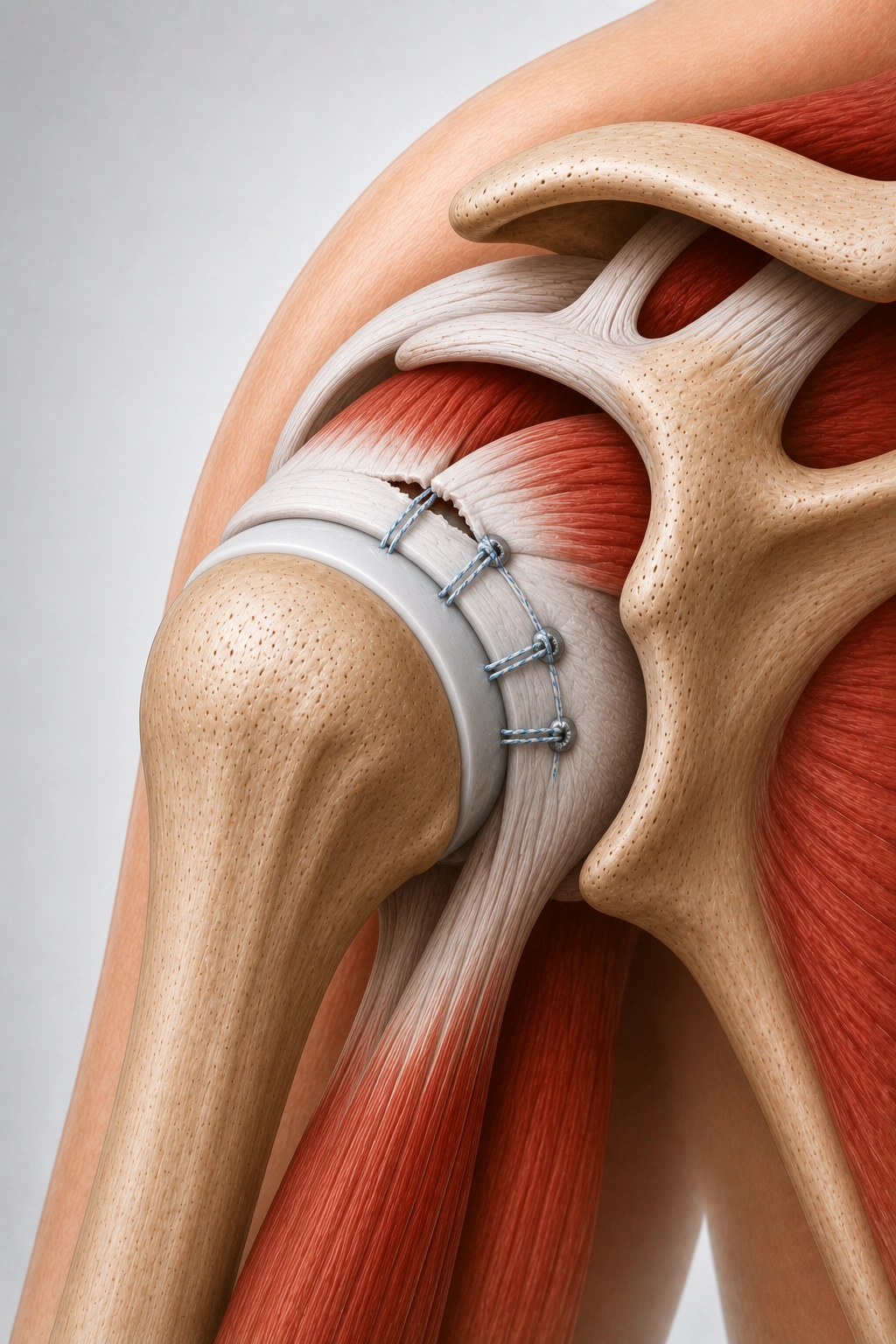
- Damaged tendons, cartilage, ligaments or bone structures are repaired, stabilised or replaced as needed

Procedure duration varies depending on the complexity of the surgery. In suitable cases, arthroscopic surgery may offer less tissue disruption, reduced post-operative pain and faster recovery compared to traditional open surgery.
Recovery and Rehabilitation After Shoulder Surgery
Recovery after shoulder surgery varies depending on the type of procedure performed and the individual’s healing progress. Rehabilitation plays an important role in restoring shoulder mobility, strength and function.
Recovery typically involves:
- A short hospital stay, depending on the procedure performed
- Use of a sling for several weeks to support healing
- Physiotherapy to gradually restore movement and shoulder strength
- Progressive return to daily activities over several months
Following the recommended rehabilitation programme is important to support recovery and achieve the best possible outcome after surgery.
Potential Risks and Considerations
Shoulder surgery is generally safe, but like all surgical procedures, it carries some risks and potential complications.
These may include:
- Infection or bleeding
- Nerve or blood vessel injury
- Stiffness or reduced range of motion
- Persistent pain or weakness
- Re-tear or failure of repaired tissues
- Reactions to anaesthesia
At Axis Shoulder Injury Clinic, Dr Seng Chusheng takes a careful and individualised approach to surgical planning, with attention to accurate diagnosis, appropriate surgical technique and structured post-operative rehabilitation. Patients are closely monitored throughout recovery to help minimise complications, support healing and optimise long-term shoulder function.
Personalised Surgical Care for Shoulder Conditions
Persistent shoulder pain, weakness or instability can significantly affect daily movement and quality of life when conservative treatment is no longer effective. With appropriate surgical treatment and rehabilitation, many shoulder conditions can be effectively managed to improve mobility, relieve pain and restore shoulder function.
At Axis Shoulder Injury Clinic, patients receive comprehensive surgical care for a wide range of shoulder conditions, from sports injuries and tendon tears to shoulder instability and joint degeneration. Dr Seng Chusheng tailors each treatment plan to the patient’s condition, lifestyle and recovery goals, using evidence-based surgical techniques and structured rehabilitation to support safe recovery and long-term shoulder function. Schedule a consultation for a comprehensive assessment and personalised treatment plan.
FAQs About Shoulder Surgery in Singapore
What is a shoulder arthroscopy and when is it needed?
When should I see a shoulder specialist in Singapore?
Can shoulder pain be treated without surgery?
Does shoulder surgery guarantee pain relief?
When can I return to daily activities after shoulder surgery?
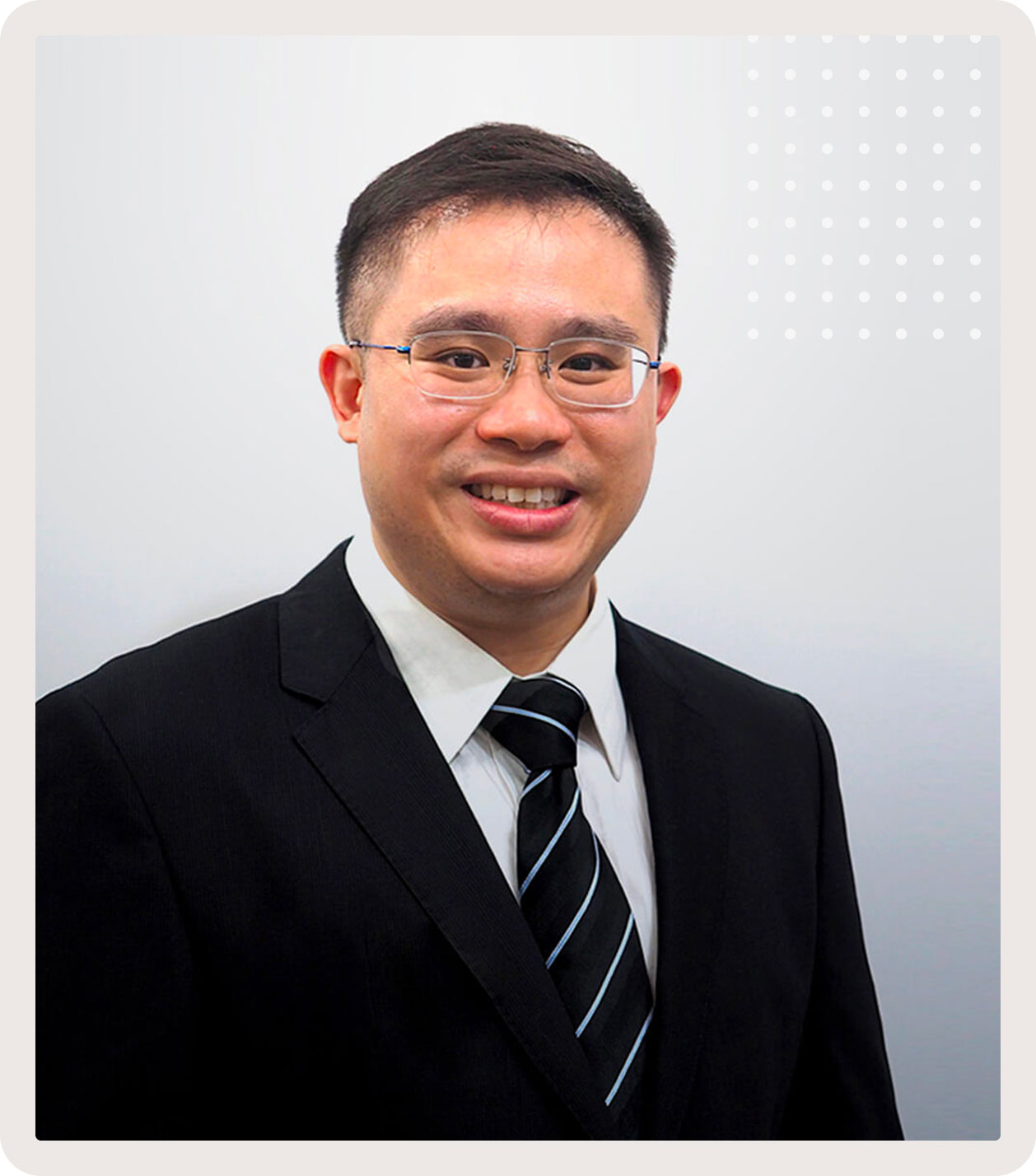
Dr Seng Chusheng
Senior Consultant Orthopaedic Surgeon (Sports & Exercise Medicine)
MBBS (Singapore), MRCS (Edinburgh), MMed (Orth), FRCS (Edinburgh)
Dr Seng Chusheng is a senior consultant orthopaedic surgeon with over 20 years of clinical experience and a focus on shoulder conditions. He manages a broad range of shoulder problems, including rotator cuff tears, shoulder dislocations, frozen shoulder and arthritis. Dedicated to supporting shoulder recovery, he provides personalised treatment plans aimed at restoring movement, reducing pain and improving daily function.
Dr Seng completed his MBBS and Master of Medicine in Orthopaedic Surgery at the National University of Singapore and is a Fellow of the Royal College of Surgeons of Edinburgh, UK. His approach emphasises careful diagnosis and evidence-based treatment, with close collaboration with physiotherapists to support recovery.
At Axis Shoulder Injury Clinic, supporting our patients in their recovery and regaining of mobility is our top priority.
We warmly welcome patients with shoulder injuries to experience our customised treatment. Call us at 9711 8888 for same-day or next day consultation!
Contact Info

Mount Elizabeth Novena Medical Centre
38 Irrawaddy Road, #06-33Singapore 329563
Parkway East Medical Centre
319 Joo Chiat Place, #04-08,Singapore 427989
Mount Alvernia Medical Centre A
820 Thomson Road, #03-08,Singapore 574623

Telephone


Operating Hours
| Mon - Fri | : | 8:30am - 5:30pm |
| Sat | : | 8:30am - 12:30pm |
| Sunday & PH : Closed | ||