





Consult Dr Seng if conservative treatment no longer provides sufficient relief.
Consult Dr Seng if conservative treatment no longer provides sufficient relief.

While it may be tempting to wait for the stiffness to "thaw" on its own, doing so without professional guidance can lead to years of unnecessary pain and permanent loss of mobility. Understanding the root cause of your discomfort is the only way to ensure you are following a recovery path that actually works.
What Is a Frozen Shoulder?
The condition typically moves through three distinct phases:
- The Freezing Stage: You'll notice pain gradually increasing, and your shoulder will start to feel tighter. This phase can last several months and is usually when most people realise something is wrong.
- The Frozen Stage: The pain may level off, but the stiffness becomes severe. Your range of motion is at its lowest, making daily tasks like reaching behind your back almost impossible.
- The Thawing Stage: The inflammation finally begins to settle, and your mobility slowly starts to return as the capsule loosens up.
While the shoulder can eventually "thaw" on its own, the process is often slow and unpredictable. Consulting a frozen shoulder specialist ensures you receive an accurate diagnosis and a management plan tailored to your specific stage, helping you regain movement faster and more effectively.
What Are the Common Symptoms and Risk Factors?
Some of the most pronounced symptoms include:
- Escalating Discomfort: You may feel a persistent ache that sharpens whenever you attempt to move your arm beyond a certain point.
- Deep Night Pain: The discomfort often intensifies at night, making it difficult to find a comfortable sleeping position and leading to chronic fatigue.
- Functional Blockage: As the stiffness peaks, you will notice a "mechanical stop" where your shoulder simply refuses to move, even if you try to force it.
Why Consult a Frozen Shoulder Specialist?
A specialised consultation focuses on these key areas:
- Detailed Symptom Review: Your doctor tracks how your pain has evolved to distinguish between early-stage inflammation and long-term stiffness.
- Mechanical Range-of-motion Tests: Physical exams identify the "mechanical block" unique to frozen shoulder, separating it from weakness caused by muscle tears.
- Targeted Imaging Studies: X-rays or MRIs are used to rule out secondary issues like bone spurs or joint wear that may be complicating your recovery.
What Are the Treatment Options for Frozen Shoulder?

Non-surgical Treatment Options
- Targeted Pain Management: Oral medications are used to dampen inflammation, making it easier to rest at night and stay active during the day.
- Structured Physiotherapy: Specialists guide you through gentle, progressive stretching to preserve joint space without aggravating the inflamed capsule.
- Activity Modification: Learning how to adjust daily movements reduces unnecessary joint strain while ensuring you don't become overly sedentary.
- Steroid Injections: These provide rapid relief by delivering anti-inflammatory medication directly into the capsule, often helping to "unstick" the joint in early stages.
Advanced Procedural Options
Reclaim Your Shoulder Mobility with Expert Care
At Axis Shoulder Injury Clinic, Dr Seng Chusheng focuses on the mechanical repair and inflammatory management of the shoulder joint. By utilising evidence-based techniques tailored to your specific stage of stiffness, our goal is to eliminate pain and return you to your peak physical function. Don't let joint restriction dictate your lifestyle. Reach out to our team today to arrange an expert assessment and start your journey toward a full recovery.
Frequently Asked Questions About Frozen Shoulder
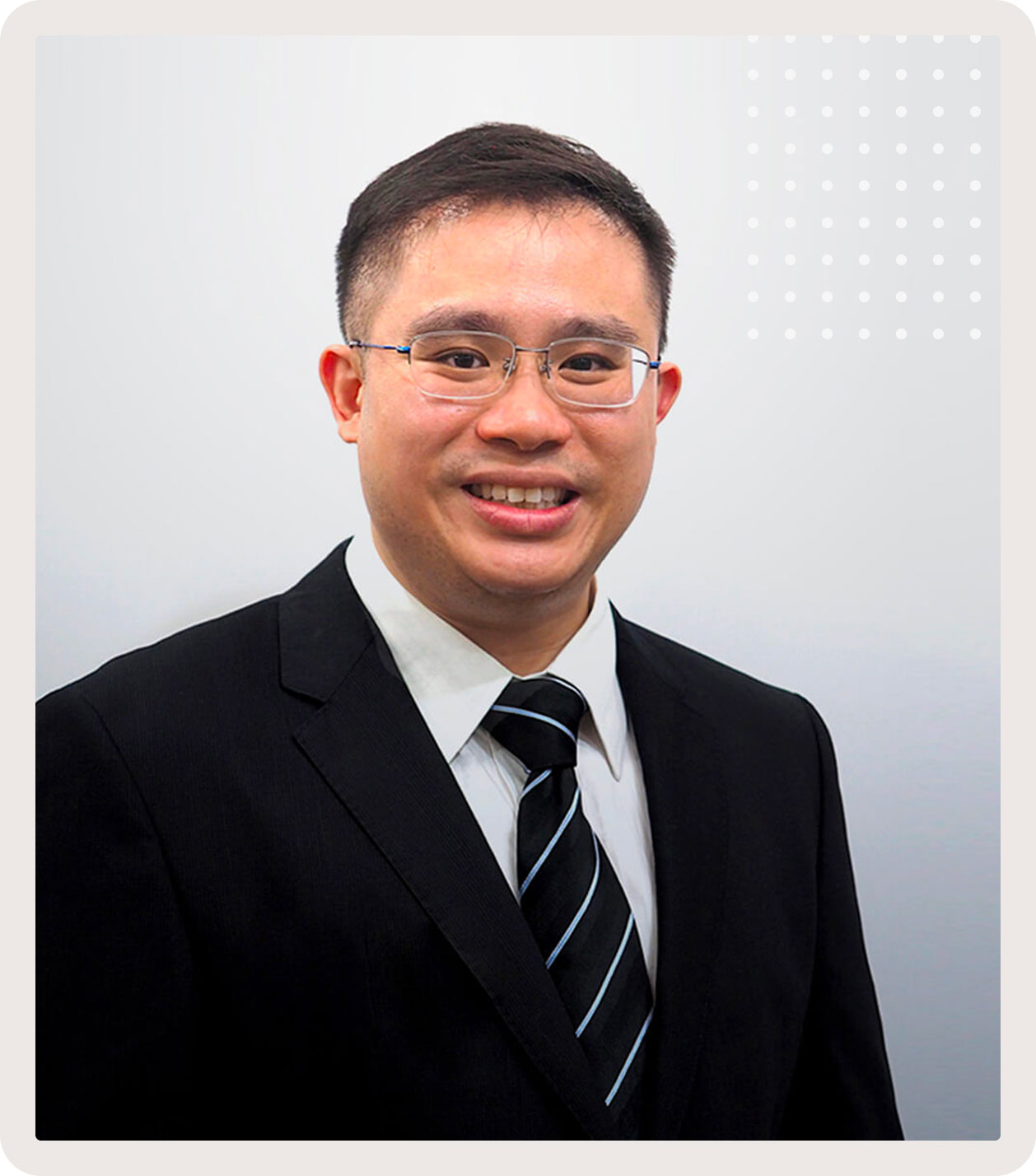
Dr Seng Chusheng
Senior Consultant Orthopaedic Surgeon (Sports & Exercise Medicine)
MBBS (Singapore), MRCS (Edinburgh), MMed (Orth), FRCS (Edinburgh)
Dr Seng Chusheng is a senior consultant orthopaedic surgeon with over 20 years of clinical experience and a focus on shoulder conditions. He manages a broad range of shoulder problems, including rotator cuff tears, shoulder dislocations, frozen shoulder and arthritis. Dedicated to supporting shoulder recovery, he provides personalised treatment plans aimed at restoring movement, reducing pain and improving daily function.
Dr Seng completed his MBBS and Master of Medicine in Orthopaedic Surgery at the National University of Singapore and is a Fellow of the Royal College of Surgeons of Edinburgh, UK. His approach emphasises careful diagnosis and evidence-based treatment, with close collaboration with physiotherapists to support recovery.
At Axis Shoulder Injury Clinic, supporting our patients in their recovery and regaining of mobility is our top priority.
We warmly welcome patients with shoulder injuries to experience our customised treatment. Call us at 9711 8888 for same-day or next day consultation!
Contact Info

Mount Elizabeth Novena Medical Centre
38 Irrawaddy Road, #06-33Singapore 329563
Parkway East Medical Centre
319 Joo Chiat Place, #04-08,Singapore 427989
Mount Alvernia Medical Centre A
820 Thomson Road, #03-08,Singapore 574623

Telephone


Operating Hours
| Mon - Fri | : | 8:30am - 5:30pm |
| Sat | : | 8:30am - 12:30pm |
| Sunday & PH : Closed | ||