




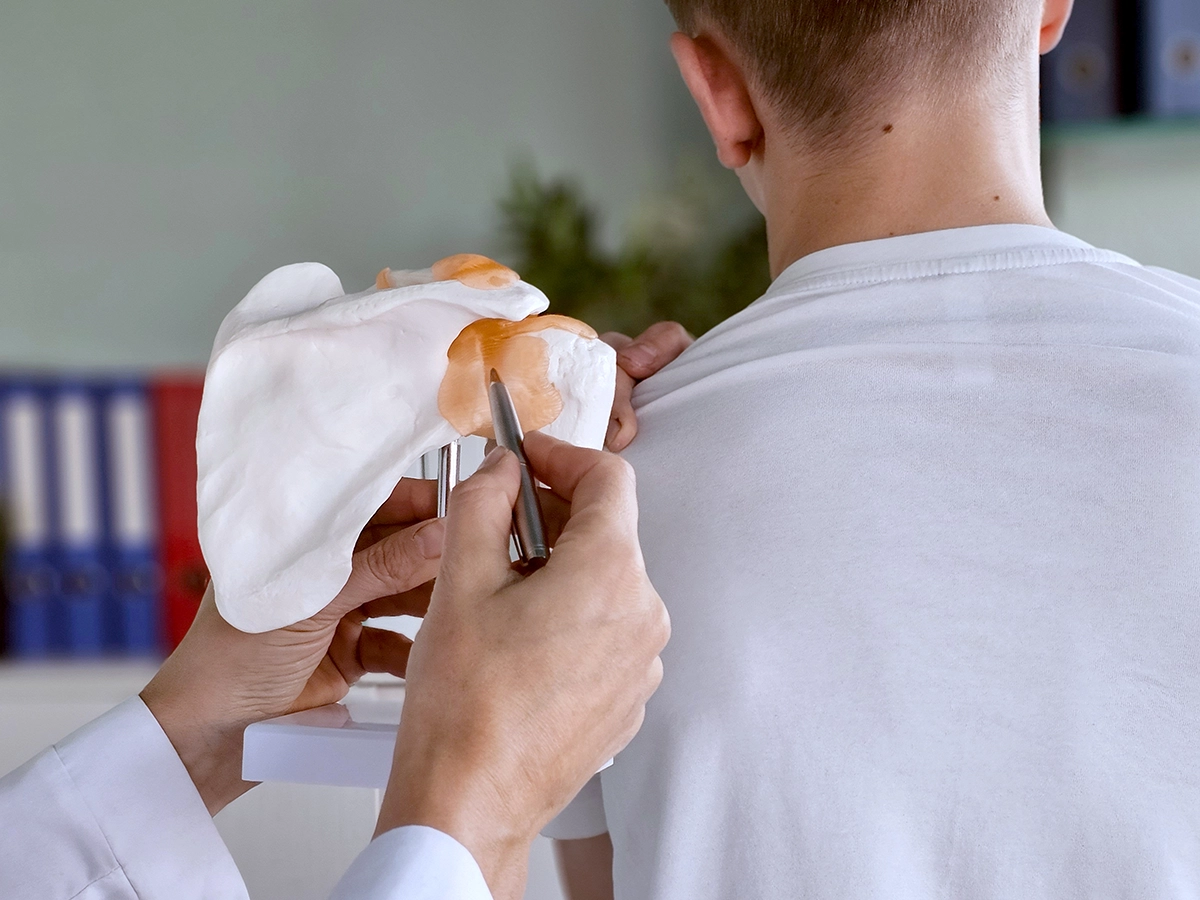
Consult Dr Seng if conservative treatment no longer provides sufficient relief.
Consult Dr Seng if conservative treatment no longer provides sufficient relief.
Shoulder Pain: Causes, Prevention and Treatments
Shoulder pain can affect everyday movements such as lifting, reaching or carrying objects, making even simple activities uncomfortable. It may develop gradually from overuse or age-related wear, or occur suddenly after an injury or fall. As shoulder pain can arise from a range of conditions affecting the muscles, tendons, joints or surrounding structures, an accurate diagnosis is important to guide appropriate treatment and prevent symptoms from worsening.

What Causes Shoulder Pain?
Shoulder pain can arise from a variety of shoulder conditions affecting the muscles, tendons, joints or surrounding structures. Common causes include:
- Rotator cuff injuries – Tearing or inflammation of the shoulder tendons, often due to overuse or ageing
- Frozen shoulder (adhesive capsulitis) – Stiffness and pain that limit shoulder movement over time
- Shoulder impingement – Compression of tendons under the shoulder blade during movement
- Arthritis – Wear and tear of cartilage leading to joint inflammation and pain
- Shoulder dislocation – Occurs when the upper arm bone comes out of its socket
- Tendinitis or bursitis – Inflammation caused by repetitive motion or overuse
The shoulder joint has a wide range of motion, which makes it more flexible but also more prone to injury and instability.
What Are the Symptoms of Shoulder Pain?
Symptoms of shoulder pain can vary depending on the underlying cause and severity of the condition.
Common signs include:
 Persistent or sharp pain, especially during arm movement
- Swelling, tenderness, or warmth around the joint
- Stiffness and reduced range of motion
- Clicking, grinding, or popping sensations
- Weakness in the arm or shoulder
- Pain that worsens at night or in certain positions


How Is Shoulder Pain Diagnosed?
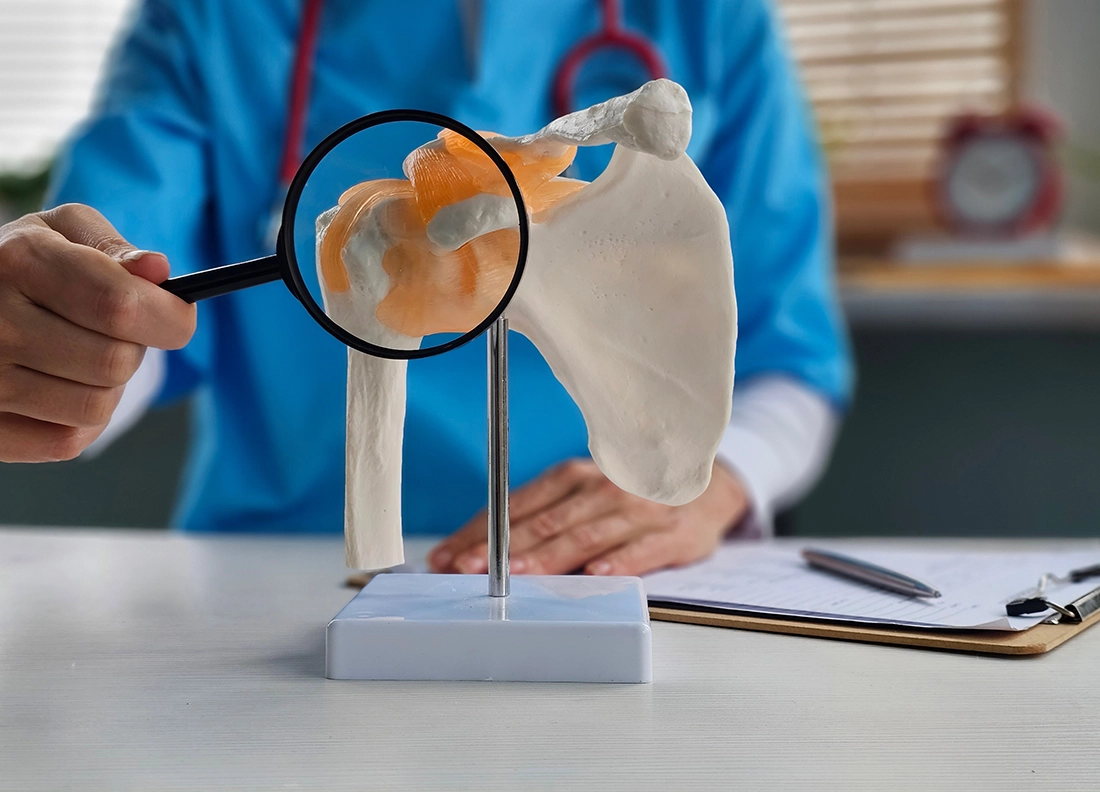
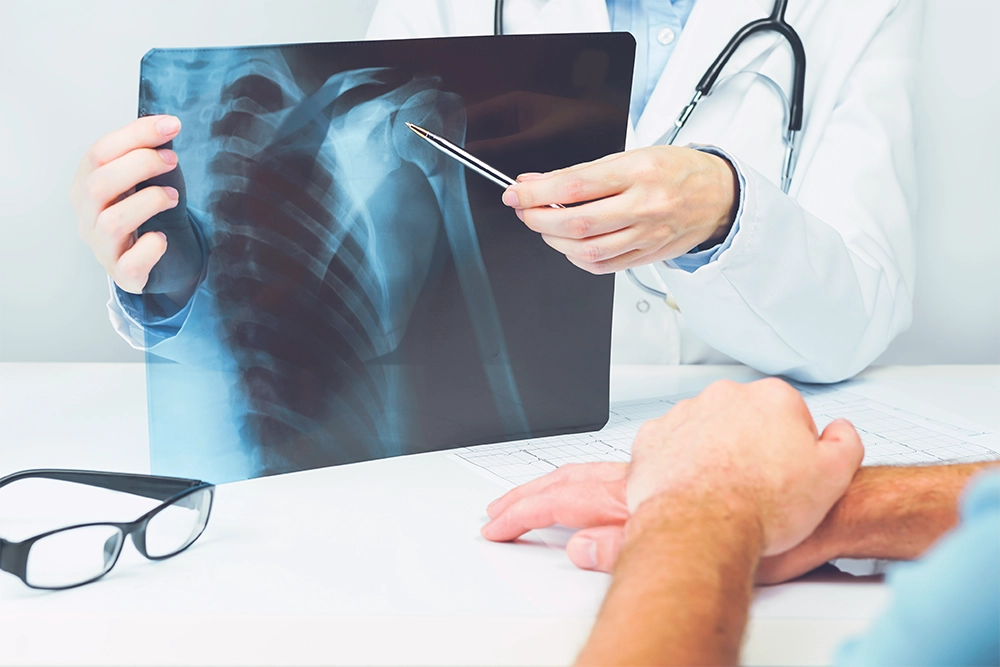
Shoulder pain is diagnosed through a combination of medical history, physical examination and imaging tests to identify the underlying cause. The specialist will assess your symptoms, pain triggers and range of motion, followed by specific tests to evaluate shoulder function and detect issues such as rotator cuff tears, joint instability or impingement.
Imaging studies, including X-rays, MRI or ultrasound, may be used to examine bone and soft tissue structures in more detail. An accurate diagnosis is essential for guiding targeted treatment and preventing long-term or chronic shoulder damage.
What Are the Treatment Options for Shoulder Pain?
Treatment for shoulder pain depends on the underlying condition, severity of symptoms and impact on daily activities. Many cases improve with non-surgical treatment, while more severe or persistent conditions may require surgical intervention to restore shoulder function.
Non-surgical Treatments
Most cases can be managed with non-surgical care, including rest, ice and activity modification to reduce strain on the shoulder. Physiotherapy is often recommended to strengthen the shoulder muscles and improve flexibility. Medications such as oral anti-inflammatory drugs or pain relievers may help manage discomfort, while corticosteroid injections can be used to reduce inflammation. In some cases, shockwave therapy may be recommended to support tendon healing.
Surgical Treatments
When conservative treatment does not provide sufficient relief, surgical intervention may be recommended. Minimally invasive or arthroscopic (keyhole) surgery is commonly used to treat conditions such as rotator cuff tears, shoulder impingement, shoulder instability or labral injuries, and advanced arthritis requiring joint replacement.
Keyhole shoulder surgery involves small incisions and specialised instruments, allowing for faster recovery, less tissue disruption and minimal scarring compared to traditional open surgery.
How Can Shoulder Pain Be Prevented?
Preventing shoulder pain involves maintaining good joint health, proper movement habits, and avoiding excessive strain.
- Warm up and stretch before physical activity
- Avoid repetitive overhead movements where possible
- Maintain good posture during work and exercise
- Strengthen shoulder and back muscles regularly
- Seek early treatment for shoulder injuries to prevent worsening
Proper conditioning and good ergonomics can significantly reduce the risk of shoulder pain and recurrence over time.
Restore Shoulder Function and Mobility with Dr Seng Chusheng
Shoulder pain can gradually affect daily activities, sleep quality and overall arm function when left untreated. Identifying the underlying cause early allows for more effective treatment and may help prevent long-term stiffness, weakness or reduced mobility.
At Axis Shoulder Injury Clinic, patients receive comprehensive care for a wide range of shoulder conditions, including tendon injuries, joint degeneration and sports-related shoulder problems. Dr Seng Chusheng provides personalised treatment plans tailored to each patient’s symptoms, lifestyle and recovery goals, with a focus on relieving pain, restoring movement and improving long-term shoulder function. Arrange a consultation for a detailed assessment and personalised treatment plan.
FAQs About Shoulder Pain
When Should I See a Shoulder Pain Specialist?
Can Shoulder Pain Heal on Its Own?
How Long Does Recovery Take After Shoulder Pain Treatment?
Can Shoulder Pain Be Related to Neck or Posture Problems?
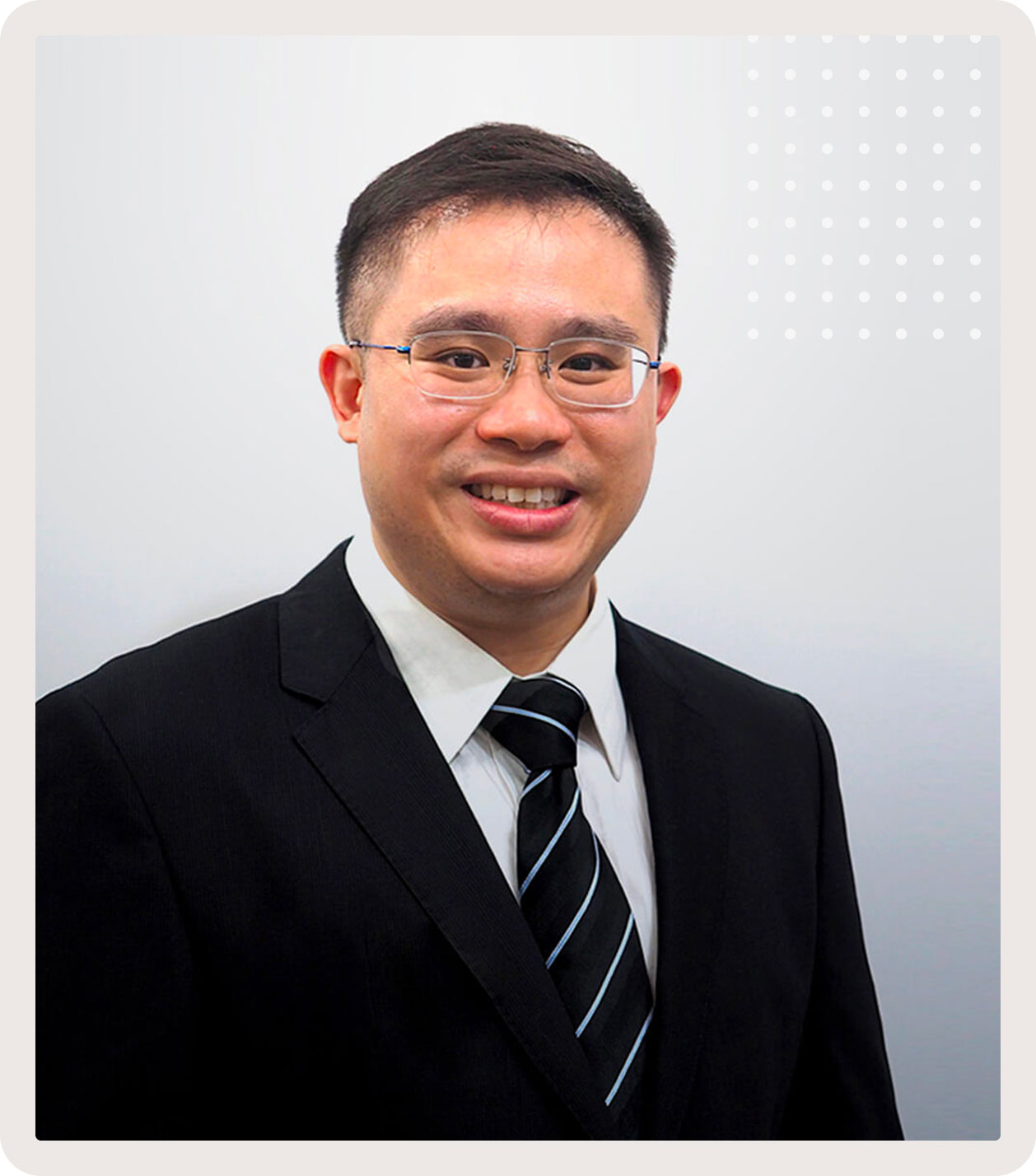
Dr Seng Chusheng
Senior Consultant Orthopaedic Surgeon (Sports & Exercise Medicine)
MBBS (Singapore), MRCS (Edinburgh), MMed (Orth), FRCS (Edinburgh)
Dr Seng Chusheng is a senior consultant orthopaedic surgeon with over 20 years of clinical experience and a focus on shoulder conditions. He manages a broad range of shoulder problems, including rotator cuff tears, shoulder dislocations, frozen shoulder and arthritis. Dedicated to supporting shoulder recovery, he provides personalised treatment plans aimed at restoring movement, reducing pain and improving daily function.
Dr Seng completed his MBBS and Master of Medicine in Orthopaedic Surgery at the National University of Singapore and is a Fellow of the Royal College of Surgeons of Edinburgh, UK. His approach emphasises careful diagnosis and evidence-based treatment, with close collaboration with physiotherapists to support recovery.
At Axis Shoulder Injury Clinic, supporting our patients in their recovery and regaining of mobility is our top priority.
We warmly welcome patients with shoulder injuries to experience our customised treatment. Call us at 9711 8888 for same-day or next day consultation!
Contact Info

Mount Elizabeth Novena Medical Centre
38 Irrawaddy Road, #06-33Singapore 329563
Parkway East Medical Centre
319 Joo Chiat Place, #04-08,Singapore 427989
Mount Alvernia Medical Centre A
820 Thomson Road, #03-08,Singapore 574623

Telephone


Operating Hours
| Mon - Fri | : | 8:30am - 5:30pm |
| Sat | : | 8:30am - 12:30pm |
| Sunday & PH : Closed | ||