





Consult Dr Seng if conservative treatment no longer provides sufficient relief.
Consult Dr Seng if conservative treatment no longer provides sufficient relief.

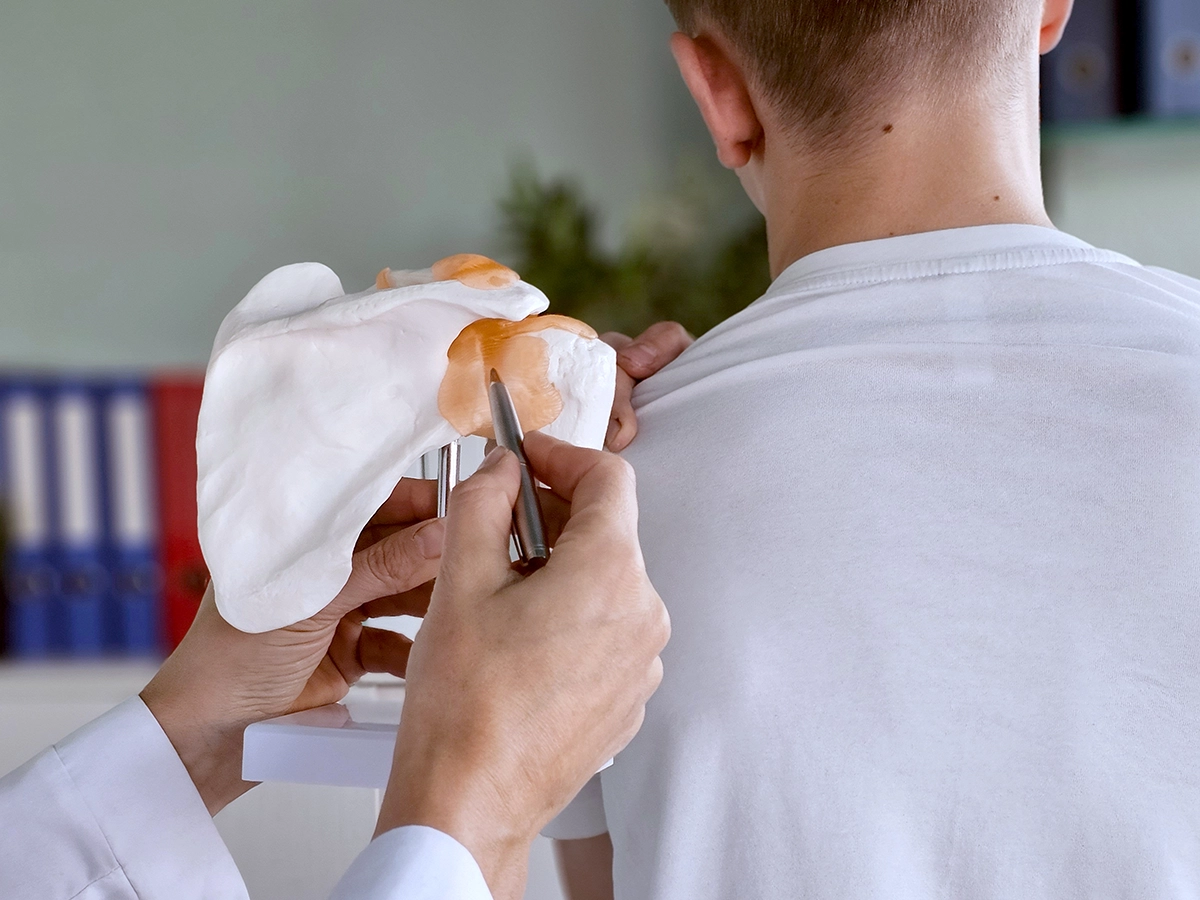
Shoulder pain is a common musculoskeletal concern and can affect individuals at any time. It may restrict arm movement and interfere with everyday activities such as dressing, lifting objects or sleeping comfortably. While mild pain related to overuse may improve with rest and self-care, persistent symptoms or pain following injury often require specialist assessment.
Therefore, identifying the underlying cause is the vital first step, as effective treatment must be tailored to your specific diagnosis. Additionally, by understanding the common conditions that affect the shoulder and knowing what to look for in a specialist, you can make an informed decision and start your journey toward lasting relief.
Non-surgical Treatment Options for Shoulder Pain
Non-surgical treatment is often the first step in managing shoulder pain. These approaches focus on relieving pain, restoring movement and improving shoulder strength without the need for invasive procedures.
Activity Modification and Pain Management
Reducing or adjusting activities that aggravate shoulder pain can help control symptoms during the early stages of treatment. Simple measures such as avoiding repetitive overhead movements and allowing time for rest may ease discomfort. In addition, applying cold or warm compresses may be recommended to manage pain and stiffness.
Medication
Medications may be used to relieve pain and reduce inflammation, particularly during flare-ups. Oral pain relievers or anti-inflammatory medicines can help improve comfort while other treatments are underway. These medications are usually part of a broader management plan rather than a standalone solution.
Physiotherapy and Exercise Rehabilitation
Physiotherapy involves a structured exercise programme designed to restore range of motion, strengthen supporting muscles and improve joint stability. Exercises are tailored to the specific shoulder condition and are adjusted as recovery progresses. Consistent participation in rehabilitation, often led by an accredited shoulder pain clinic, supports gradual improvement in function and confidence with shoulder use.
Injection-based Treatments
In some cases, injections may be considered to manage persistent pain or inflammation. Corticosteroid injections can help reduce inflammation within the joint or surrounding tissues, allowing patients to engage more effectively in physiotherapy. These treatments are typically recommended after careful assessment and are often used alongside rehabilitation.
Surgical Treatment Options
Surgery may be considered when shoulder pain continues despite appropriate non-surgical care or when structural damage significantly affects function. The type of surgical shoulder pain treatment depends on the underlying condition and individual needs.
Rotator Cuff Repair
Rotator cuff repair involves reattaching torn tendons to the bone to restore shoulder strength and movement. This procedure is commonly performed using minimally invasive techniques and is followed by a structured rehabilitation programme.
Labral Repair or SLAP Repair
Labral repair is performed to treat tears of the cartilage rim that helps stabilise the shoulder joint. SLAP repair specifically addresses injuries affecting the upper portion of the labrum. Both procedures aim to improve shoulder stability and reduce pain during movement.
Shoulder Stabilisation Surgery
Shoulder stabilisation surgery is performed to correct recurrent dislocations or instability. The procedure reinforces the supporting structures of the joint to reduce the risk of further episodes and improve functional confidence.
Shoulder Arthroscopy
Shoulder arthroscopy is a minimally invasive procedure that allows the surgeon to examine and treat shoulder conditions through small incisions. It can be used for diagnostic assessment or to manage problems such as tendon damage and joint inflammation.
Total Shoulder Replacement
Total shoulder replacement involves replacing the damaged joint surfaces with artificial components. This option may be considered for patients with significant joint degeneration and persistent pain affecting daily activities.
Reverse Shoulder Replacement
Reverse shoulder replacement alters the mechanics of the joint to rely more on the surrounding muscles when the rotator cuff is severely compromised. This procedure may be suitable for selected patients with complex shoulder conditions.
AC Joint Reconstruction
AC joint reconstruction is performed to treat damage or instability at the joint where the collarbone meets the shoulder, known as the acromioclavicular joint. The procedure aims to restore normal alignment and reduce pain during shoulder movement.
Biceps Tendon Surgery
Biceps tendon surgery may be performed when the tendon contributes to ongoing shoulder pain. The procedure involves releasing or reattaching the tendon to relieve discomfort and improve function.
Take Control of Your Shoulder Health

Choosing the right shoulder specialist is the most important step for your mobility. An early, professional assessment ensures your treatment is based on an accurate diagnosis rather than guesswork. Whether you need targeted rehab or minimally invasive surgery, the right doctor helps you fix the root cause and avoid long-term complications.
At Axis Shoulder Injury Clinic, Dr Seng Chusheng provides personalised, evidence-based care to help you return to a pain-free life. If persistent discomfort or stiffness is holding you back, schedule your consultation with us and start your recovery today.
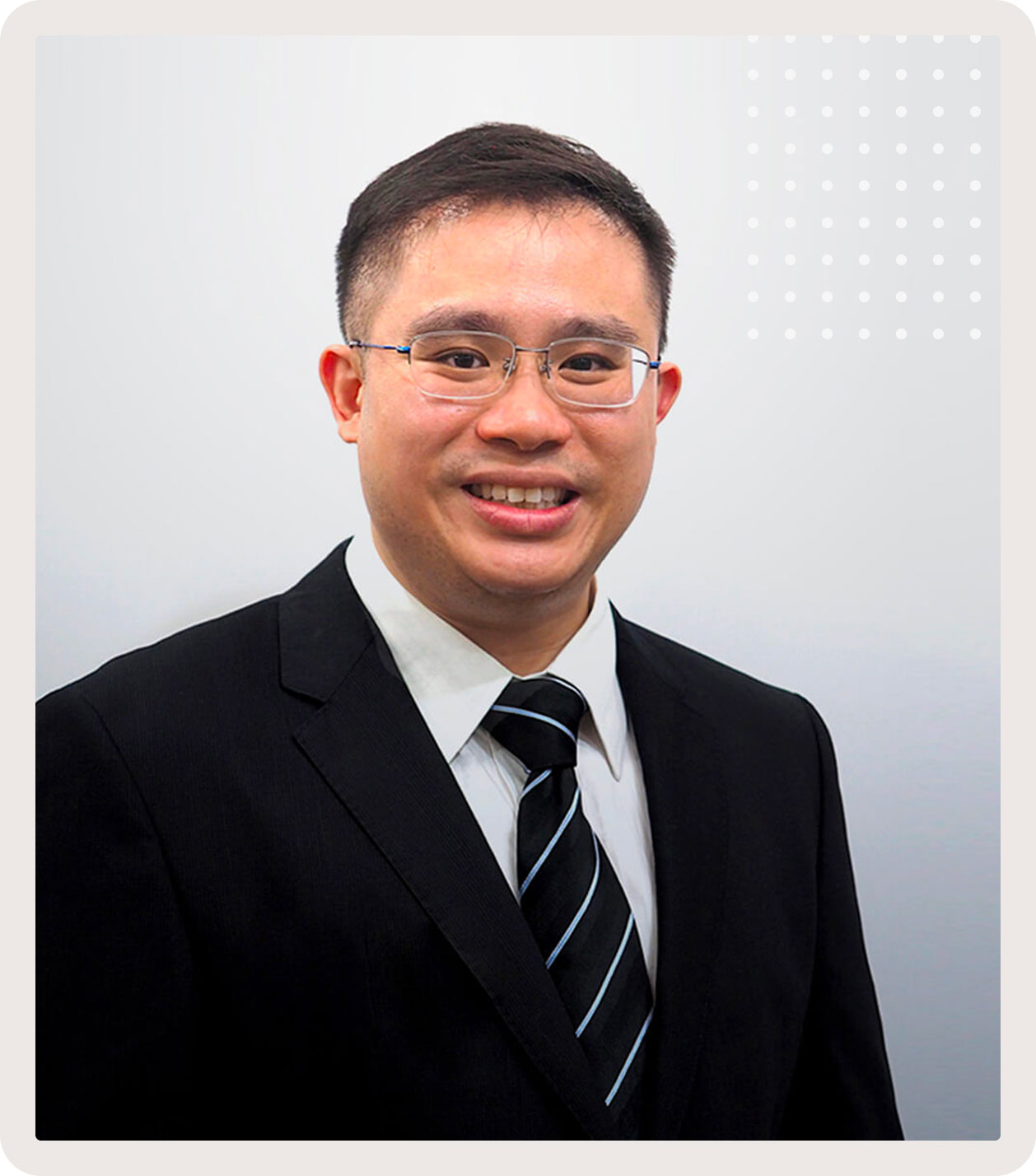
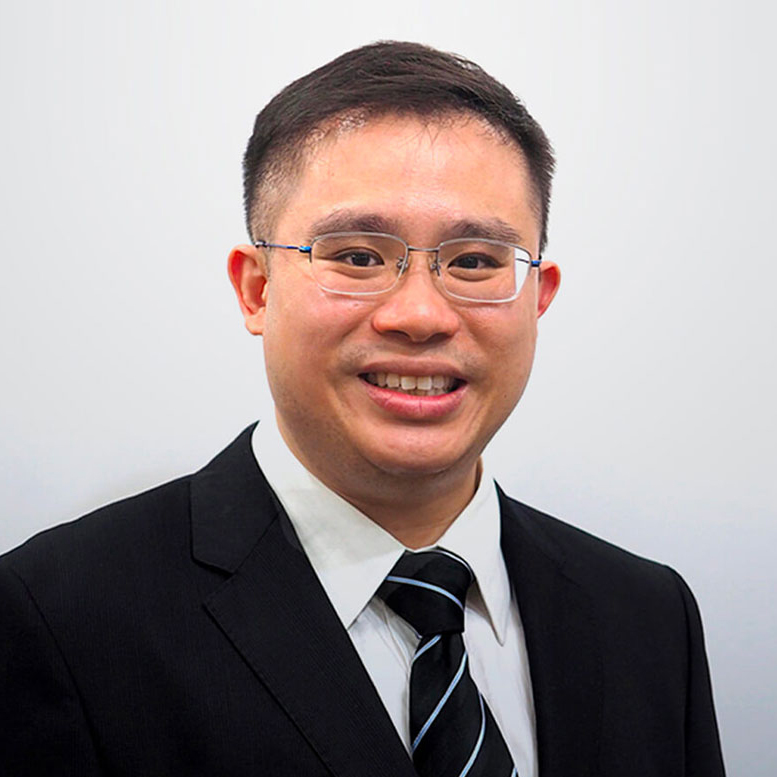
Dr Seng Chusheng
Senior Consultant Orthopaedic Surgeon (Sports & Exercise Medicine)
MBBS (Singapore), MRCS (Edinburgh), MMed (Orth), FRCS (Edinburgh)
Dr Seng Chusheng is a senior consultant orthopaedic surgeon with over 20 years of clinical experience and a focus on shoulder conditions. He manages a broad range of shoulder problems, including rotator cuff tears, shoulder dislocations, frozen shoulder and arthritis. Dedicated to supporting shoulder recovery, he provides personalised treatment plans aimed at restoring movement, reducing pain and improving daily function.
Dr Seng completed his MBBS and Master of Medicine in Orthopaedic Surgery at the National University of Singapore and is a Fellow of the Royal College of Surgeons of Edinburgh, UK. His approach emphasises careful diagnosis and evidence-based treatment, with close collaboration with physiotherapists to support recovery.
At Axis Shoulder Injury Clinic, supporting our patients in their recovery and regaining of mobility is our top priority.
We warmly welcome patients with shoulder injuries to experience our customised treatment. Call us at 9711 8888 for same-day or next day consultation!
Contact Info

Mount Elizabeth Novena Medical Centre
38 Irrawaddy Road, #06-33Singapore 329563
Parkway East Medical Centre
319 Joo Chiat Place, #04-08,Singapore 427989
Mount Alvernia Medical Centre A
820 Thomson Road, #03-08,Singapore 574623

Telephone


Operating Hours
| Mon - Fri | : | 8:30am - 5:30pm |
| Sat | : | 8:30am - 12:30pm |
| Sunday & PH : Closed | ||