





Consult Dr Seng if conservative treatment no longer provides sufficient relief.
Consult Dr Seng if conservative treatment no longer provides sufficient relief.

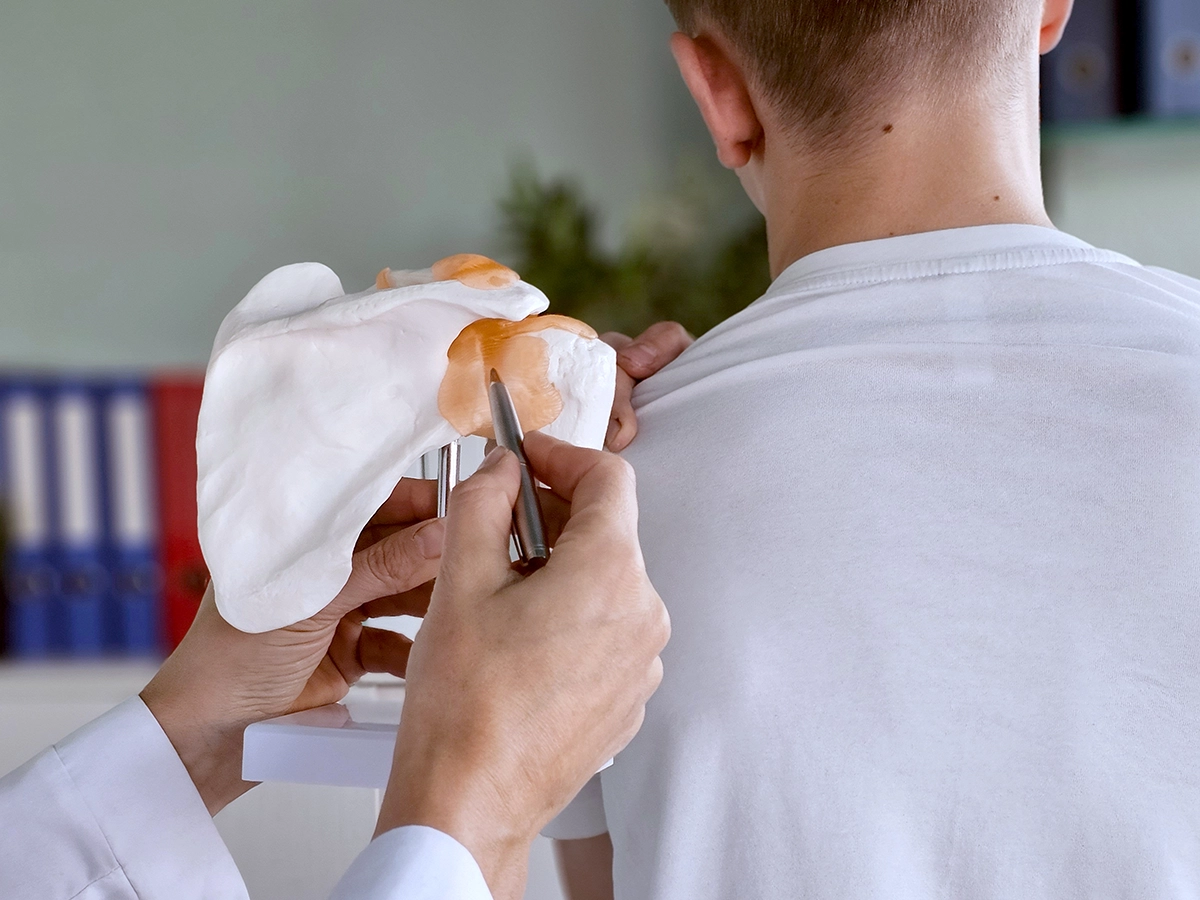
From reaching for an item on a high shelf to simply carrying a light bag, shoulder pain can make everyday tasks unexpectedly difficult. While minor discomfort may occasionally settle on its own, more severe shoulder issues frequently recur or gradually worsen if the underlying cause is not properly addressed.
Because these injuries can be serious, getting an accurate diagnosis from a specialist is essential for a safe and effective recovery. However, since shoulder pain can stem from so many different potential causes, it’s important to find the right specialist who can pinpoint the exact issue so you can get back to your best in no time.
Why See a Shoulder Specialist for Persistent Shoulder Pain?
Shoulder pain involves complex interactions between muscles, tendons, and joint surfaces. Consulting a shoulder specialist in Singapore is essential because localised discomfort often masks underlying mechanical issues that require precise diagnostic mapping.
A qualified orthopaedic surgeon identifies the specific drivers of your pain to prevent long-term joint degradation, specifically for:
- Rotator Cuff Integrity: Determining if weakness is due to simple inflammation or structural tears that require surgical reinforcement.
- Mechanical Impingement: Assessing if soft tissues are being compressed during movement, which can lead to progressive tendon damage if left unaddressed.
- Mobility Restrictions: Differentiating between the inflammatory phase of frozen shoulder and other forms of joint stiffness to apply the correct stage-specific treatment.
- Joint Stability: Evaluating the risk of recurrent dislocation, especially for athletes or individuals with a history of shoulder slipping.
- Degenerative Changes: Managing arthritis or chronic bursitis with targeted protocols to preserve the joint surface and reduce inflammation.
- Traumatic Injuries: Providing prompt assessment for fractures or acute soft tissue damage following falls or sports-related accidents.
Factors to Consider When Choosing the Right Shoulder Specialist

Choosing the right shoulder specialist in Singapore is a major decision when your mobility is on the line. Here’s what to keep in mind when making your choice:
Clinical Training, MOH Licensing and Professional Recognition
Look for an orthopaedic surgeon who is fully licensed by the Ministry of Health (MOH) in Singapore, SMC-registered, and SAB-accredited. Membership in the Singapore Medical Association (SMA) also reflects a commitment to local professional and ethical standards.
Experience With Minimally Invasive Techniques
Many shoulder conditions can be managed using minimally invasive keyhole techniques, which typically reduce post-operative discomfort and support a faster return to activity. When selecting a surgeon, their proficiency in these procedures is a vital consideration, as technical skill directly impacts the safety and success of the outcome.
However, keep in mind that a truly skilled specialist also uses their expertise to determine the most appropriate path forward—often exhausting non-operative shoulder pain treatments before recommending surgery as a final step.
Communication and Patient-centred Care
A good specialist should explain the diagnosis, imaging findings and treatment choices in a way that is easy to understand. They should also outline the benefits and limitations of each option, helping patients make informed decisions.
Accessible Follow-up
Recovery from shoulder treatments often takes time and may require follow-up care. Choosing a specialist who provides clear follow-up plans and is accessible for reassessment if symptoms change is vital to support a smoother recovery.
When Should You See a Shoulder Specialist?
While many minor aches settle with rest, persistent symptoms often indicate an underlying issue that requires a more structured recovery plan. A specialist can help determine whether your condition simply needs a targeted rehabilitation programme or a more clinical intervention.
Consider a consultation if you notice any of the following:
- Persisting pain beyond a few weeks despite rest
- Noticing weakness when lifting or rotating the arm
- Experiencing clicking, catching, or joint instability
- Disrupted sleep, especially when lying on the affected side
- Restricted movement or progressive stiffness in the joint
- Sudden swelling or bruising following an injury
- Recurring episodes of shoulder dislocation
Restore Your Shoulder Function with Specialist Care
Ultimately, finding the right specialist is about more than just treating a symptom; it’s about partnering with a professional who understands your lifestyle and recovery goals. By prioritising an accurate diagnosis and a personalised treatment plan, you can address the root cause of your shoulder pain and prevent minor issues from becoming chronic limitations.
At Axis Shoulder Injury Clinic, Dr Seng Chusheng is committed to providing the high-quality care necessary to restore your mobility. Whether you require a structured rehabilitation programme or advanced minimally invasive surgery, he can support your journey back to an active, pain-free life. If you’re struggling with persistent shoulder discomfort, please contact us today to schedule a comprehensive assessment.
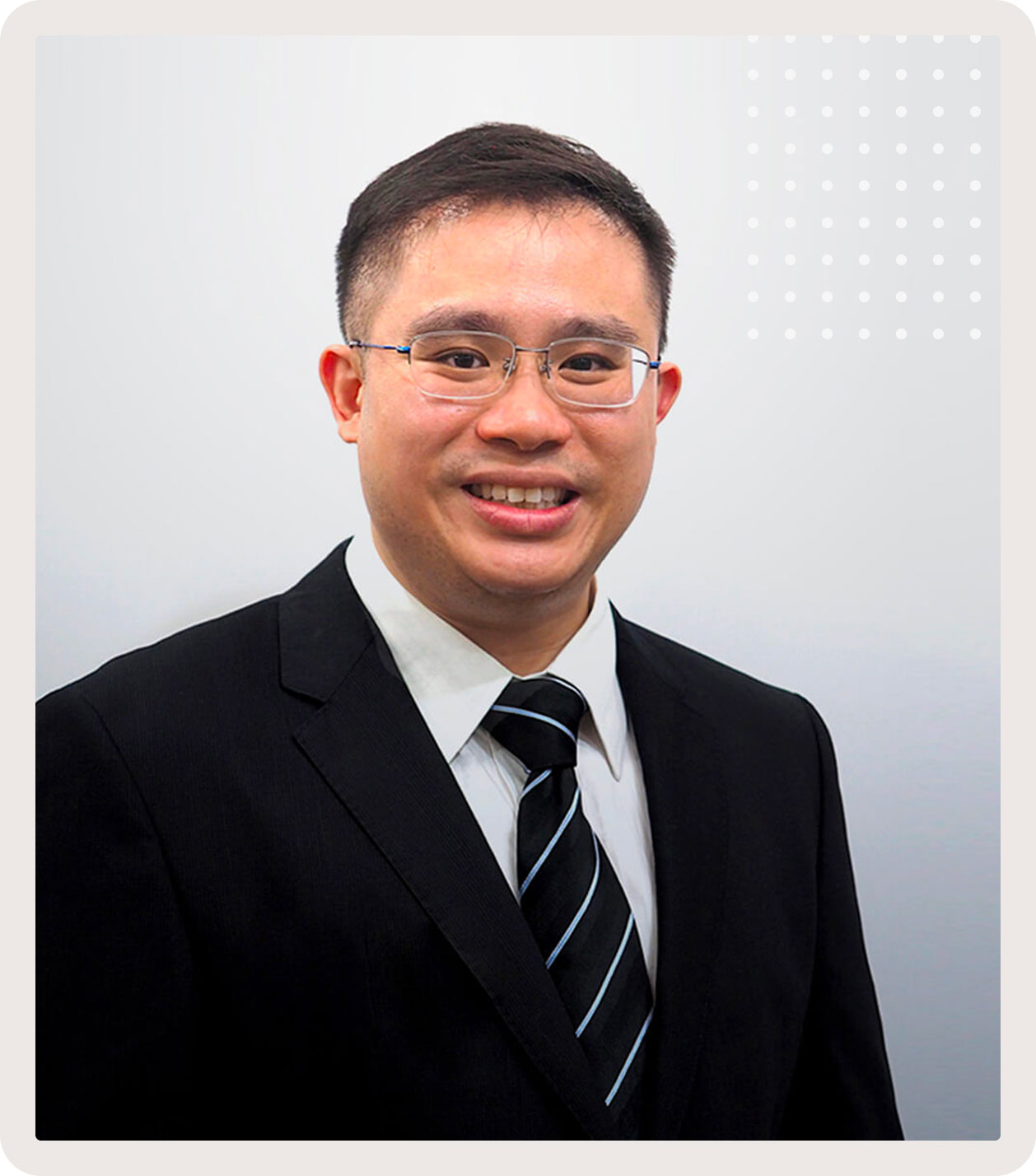
Dr Seng Chusheng
Senior Consultant Orthopaedic Surgeon (Sports & Exercise Medicine)
MBBS (Singapore), MRCS (Edinburgh), MMed (Orth), FRCS (Edinburgh)
Dr Seng Chusheng is a senior consultant orthopaedic surgeon with over 20 years of clinical experience and a focus on shoulder conditions. He manages a broad range of shoulder problems, including rotator cuff tears, shoulder dislocations, frozen shoulder and arthritis. Dedicated to supporting shoulder recovery, he provides personalised treatment plans aimed at restoring movement, reducing pain and improving daily function.
Dr Seng completed his MBBS and Master of Medicine in Orthopaedic Surgery at the National University of Singapore and is a Fellow of the Royal College of Surgeons of Edinburgh, UK. His approach emphasises careful diagnosis and evidence-based treatment, with close collaboration with physiotherapists to support recovery.
At Axis Shoulder Injury Clinic, supporting our patients in their recovery and regaining of mobility is our top priority.
We warmly welcome patients with shoulder injuries to experience our customised treatment. Call us at 9711 8888 for same-day or next day consultation!
Contact Info

Mount Elizabeth Novena Medical Centre
38 Irrawaddy Road, #06-33Singapore 329563
Parkway East Medical Centre
319 Joo Chiat Place, #04-08,Singapore 427989
Mount Alvernia Medical Centre A
820 Thomson Road, #03-08,Singapore 574623

Telephone


Operating Hours
| Mon - Fri | : | 8:30am - 5:30pm |
| Sat | : | 8:30am - 12:30pm |
| Sunday & PH : Closed | ||