





Consult Dr Seng if conservative treatment no longer provides sufficient relief.
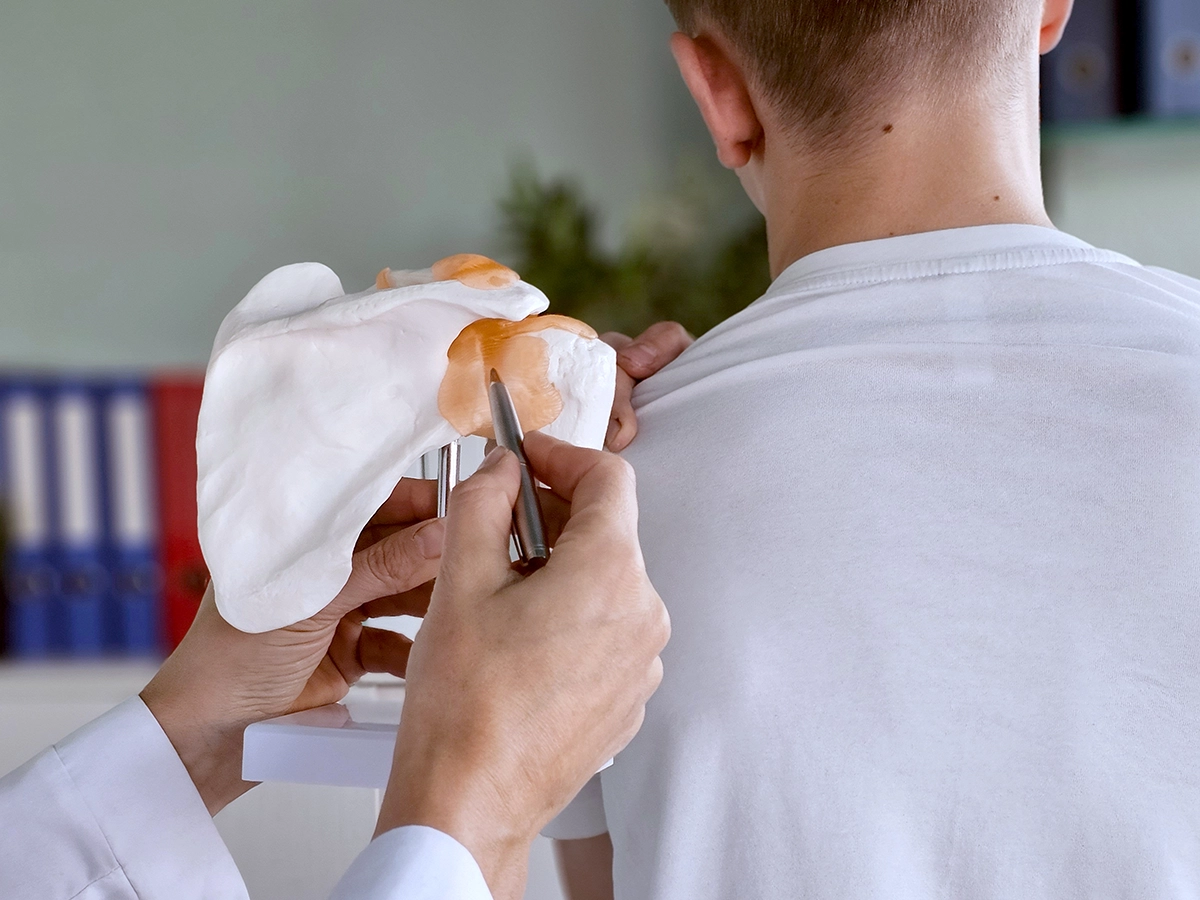
Consult Dr Seng if conservative treatment no longer provides sufficient relief.
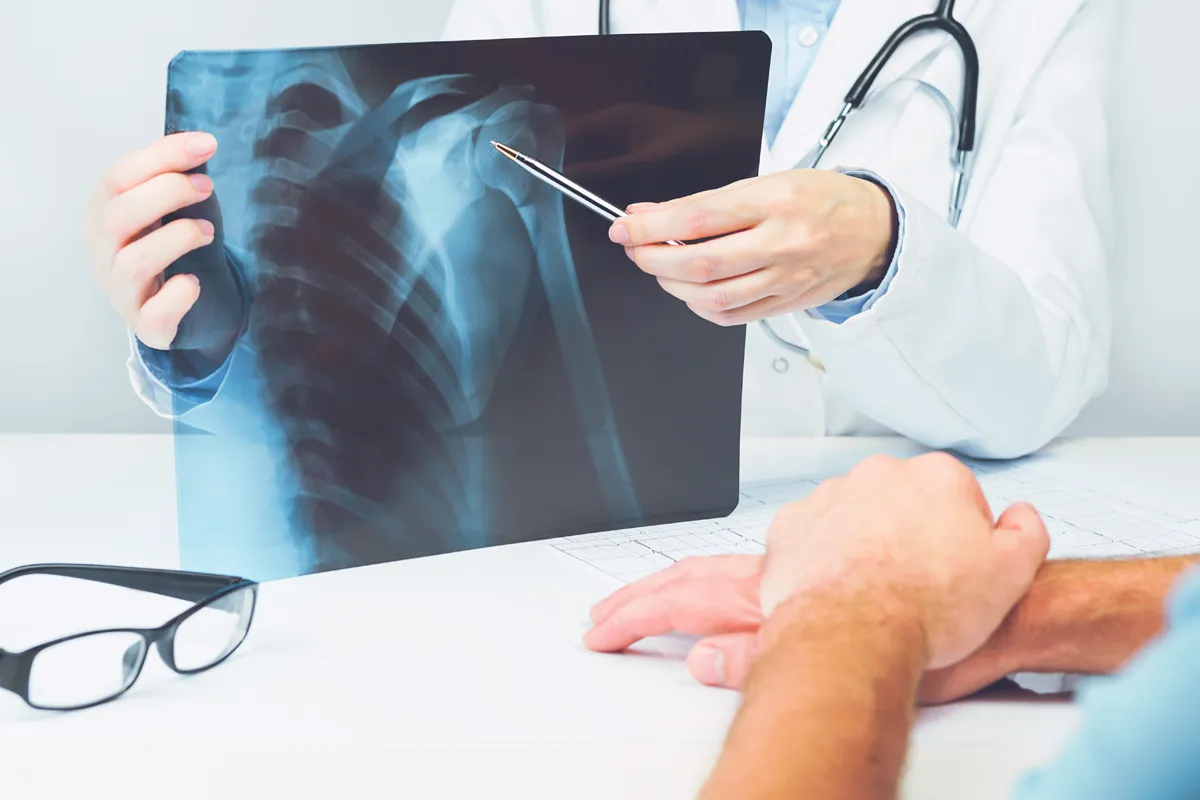
Although shoulder surgery is often an important step towards relieving pain and restoring function, recovery plays a significant role in determining the final outcome. Many patients have questions about what to expect after surgery, including how much discomfort is normal, when they can return to daily activities, and how long rehabilitation may take.
While recovery timelines vary depending on the procedure performed and individual factors, following your surgeon’s advice and rehabilitation programme can help support healing and reduce the risk of complications. Knowing what to expect and following the guidance of your shoulder specialist can help you navigate recovery more confidently and support a safe return to daily activities.
What to Expect During the First Few Weeks After Shoulder Surgery
The first few weeks after shoulder surgery are often the most challenging as your body begins the healing process. During this period, it is normal to experience some pain, swelling, and limitations in movement while the shoulder recovers.
Pain, Swelling, and Discomfort During Early Recovery
It is normal to experience pain, swelling, and discomfort in the days and weeks following shoulder surgery. These symptoms are part of the body’s natural healing response and should gradually improve over time. Your surgeon may recommend pain medication, cold therapy, and activity modifications to help manage discomfort during the early stages of recovery.
Wearing a Sling and Protecting the Healing Shoulder
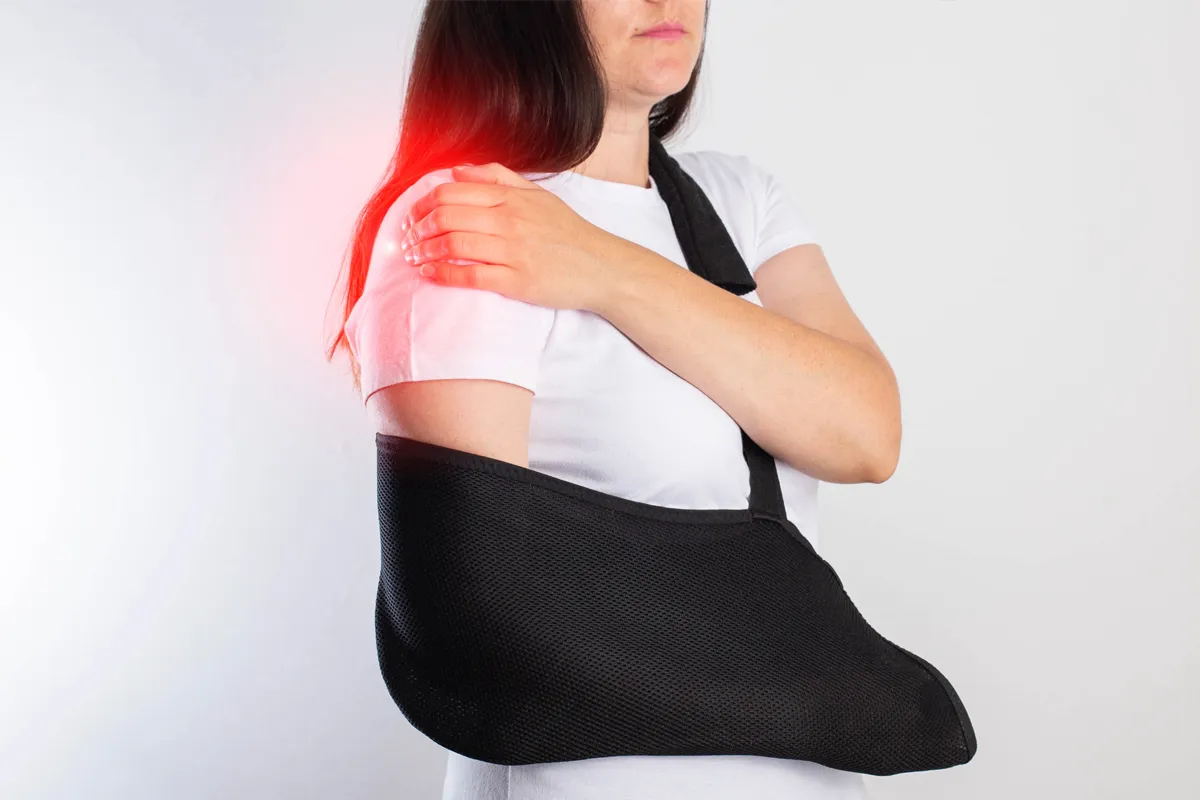
Most patients are required to wear a sling for several weeks after shoulder surgery to protect the repaired tissues and support healing. The sling helps limit unnecessary movement and reduces strain on the shoulder. It is important to follow your surgeon’s instructions regarding when to wear the sling and when it may be removed for exercises or daily activities.
Limitations in Daily Activities and Movement
During the first few weeks of recovery, you may find it difficult to perform routine tasks such as dressing, driving, lifting objects, or reaching overhead. These temporary limitations are expected and help prevent excessive stress on the healing shoulder. Avoid returning to strenuous activities too soon, as this may increase the risk of complications and delay recovery.
Starting Physiotherapy and Rehabilitation Exercises
Physiotherapy plays a key role in restoring shoulder mobility, strength, and function after surgery. Depending on the procedure performed, rehabilitation may begin with gentle range-of-motion exercises before progressing to strengthening activities. Following your prescribed rehabilitation programme consistently can help optimise recovery and improve long-term outcomes.
Tips for a Smoother Recovery After Shoulder Surgery
While healing takes time, there are several steps you can take to support your recovery after shoulder surgery. Following your rehabilitation plan, managing pain appropriately, and maintaining healthy lifestyle habits can help optimise healing and reduce the risk of complications. Although every patient’s recovery journey is different, consistency and patience are often key to achieving the best possible outcome.
Managing Pain and Swelling During the First Few Weeks
Pain and swelling are common during the early stages of recovery and should gradually improve as healing progresses. Your surgeon may recommend a combination of medication, cold therapy, sling use, and temporary activity modifications to help manage discomfort.
Some practical ways to manage discomfort include:
- Applying ice packs as instructed to reduce swelling
- Taking prescribed medications as instructed
- Wearing your sling as directed
- Avoiding sudden or excessive shoulder movements
- Following rehabilitation exercises carefully
While many patients notice gradual improvement within the first few weeks, some discomfort during rehabilitation is normal and does not necessarily indicate a problem.
Caring for Your Surgical Wound During Recovery
Proper wound care is an important part of recovery after shoulder surgery and can help reduce the risk of infection. Follow your surgeon’s instructions regarding bandage changes, showering, and wound management, and avoid getting the surgical site wet until advised it is safe to do so. Keeping the wound clean and dry can support healing and help minimise complications during the recovery process.
Follow a Physiotherapy Programme
Physiotherapy plays an important role in restoring shoulder mobility, strength, and function after surgery. Rehabilitation programmes are typically tailored to the procedure performed and your stage of recovery, with exercises progressing gradually as healing occurs.
To support your recovery:
- Attend scheduled physiotherapy sessions
- Perform home exercises consistently
- Progress exercises only when advised
- Communicate any concerns to your therapist
Consistency is often more important than intensity during rehabilitation. Following your prescribed programme can help support recovery while reducing the risk of stiffness or setbacks.
Support Recovery Through Healthy Habits
Recovery is influenced not only by rehabilitation exercises but also by your overall health and wellbeing. Adequate rest, good nutrition, and effective management of existing medical conditions can help support the body’s natural healing process.
Healthy habits that may support recovery include:
- Getting sufficient sleep each night
- Eating a balanced diet rich in protein and nutrients
- Staying hydrated
- Avoiding smoking, which may delay healing
- Managing underlying health conditions such as diabetes
Maintaining these habits throughout recovery may help support healing and contribute to better long-term outcomes.
Common Mistakes to Avoid After Shoulder Surgery
Recovery after shoulder surgery requires patience and consistency. While it can be tempting to return to normal activities as soon as the pain begins to improve, doing too much too soon may place unnecessary stress on the healing shoulder. Avoiding common recovery mistakes can help reduce the risk of complications and support a smoother rehabilitation process.
Avoid Lifting, Pushing, or Supporting Your Body Weight
During the first several weeks after shoulder surgery, it is important not to lift objects, push heavy items, or use your operated arm to support your body weight. Actions such as pushing yourself up from a chair may place excessive stress on healing tissues and compromise your recovery.
Avoid Reaching Overhead or Behind Your Back
Reaching above shoulder level or behind your body too soon can strain the surgical repair. Keep your arm close to your side and follow your surgeon’s guidance regarding safe movement and rehabilitation exercises.
Do Not Sleep on the Operated Shoulder
Sleeping directly on the operated side may increase pain and place pressure on healing structures. Many patients find sleeping in a slightly upright position with supportive pillows more comfortable during the early stages of recovery.
Do Not Ignore Severe Pain or Unusual Symptoms
While some discomfort is expected after surgery, severe pain, numbness, tingling, or sudden changes in shoulder function should not be ignored. Contact your shoulder specialist promptly if you experience symptoms during recovery.
Avoid Driving Until You Receive Medical Clearance
Driving requires adequate shoulder mobility, strength, and control. It is generally unsafe to drive while wearing a sling or before you have regained sufficient function. Always follow your surgeon’s advice before returning to driving.
Signs You Should Contact Your Shoulder Specialist
While some pain, swelling, and stiffness are expected during the recovery process, certain symptoms may indicate a complication that requires medical attention.
Increasing Pain or Swelling
Some discomfort is normal after shoulder surgery, but pain and swelling should gradually improve over time. Contact your shoulder specialist if you experience worsening pain, excessive swelling, or symptoms that do not improve as expected.
Signs of Infection
Seek medical advice if you develop redness around the surgical site, fever, increasing warmth, or wound discharge. These symptoms may indicate an infection and should be assessed promptly.
Numbness or Changes in Sensation
Persistent numbness, tingling, or weakness in the arm, hand, or fingers should not be ignored. While temporary changes in sensation may occur after surgery, ongoing or worsening symptoms may require further evaluation.
Sudden Loss of Shoulder Function
Contact your shoulder specialist if you experience a sudden reduction in shoulder movement, new weakness, or difficulty performing activities that were previously manageable during your recovery. This may indicate a problem that requires medical assessment.
Contact your shoulder specialist promptly if you notice worsening symptoms or anything that seems unusual during your recovery. Early assessment can help identify potential issues and ensure appropriate treatment is provided if needed.
Getting the Right Support for Your Recovery with Dr Seng Chusheng
Although temporary pain and stiffness are expected after surgery, recovery should gradually improve over time. If you are concerned about persistent symptoms, delayed progress, or recurring shoulder problems, seeking professional advice early may help prevent longer-term complications.
A consultation with Dr Seng Chusheng can provide clarity on your recovery progress and help ensure you receive appropriate treatment and rehabilitation guidance. Axis Shoulder Injury Clinic offers comprehensive assessments and personalised care to support patients at every stage of their shoulder recovery journey. Book an appointment with us today to take the next step towards restoring your shoulder function, mobility, and quality of life.
Frequently Asked Questions (FAQs) About Shoulder Surgery Recovery
Is it normal to hear clicking or popping sounds in my shoulder during recovery?
Mild clicking or popping can occur as the shoulder regains movement and swelling decreases. However, if these sounds are accompanied by significant pain, instability, or weakness, further assessment may be recommended.
What happens if I miss a physiotherapy session?
Missing a single session is unlikely to affect your recovery significantly. However, repeated absences may slow progress and delay improvements in strength and mobility.
When can I return to work, driving, and sports?
In general, most patients can return to desk-based work within one to four weeks, while driving is usually possible once the sling has been removed and safe control of the vehicle has returned. Those with physically demanding jobs may require several months before resuming manual labour, and returning to sports typically takes between four and nine months, depending on the type and intensity of the activity. Always follow the guidance provided by your surgeon, as recovery timelines can vary between individuals.
Is it normal for my shoulder to still hurt weeks after surgery?
Some discomfort during rehabilitation is common and does not necessarily indicate a problem. However, worsening pain or pain that interferes significantly with daily activities should be evaluated.
What should I do if my recovery isn’t following the expected timeline?
Recovery does not always progress at the same pace for every patient. If your shoulder remains very painful, stiff, or weak despite following rehabilitation instructions, it may be worthwhile to consult an orthopedic shoulder specialist for further assessment.
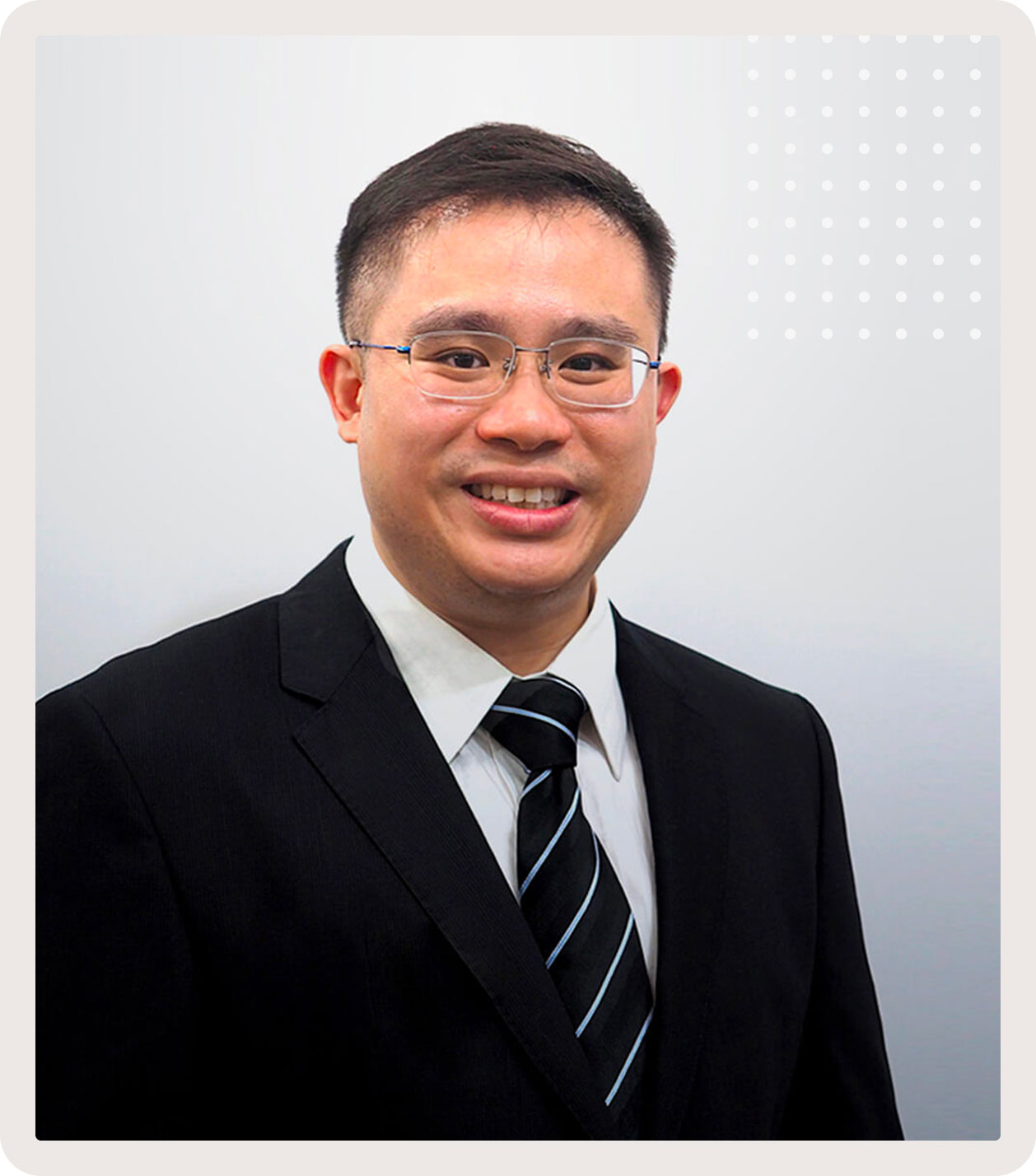
Dr Seng Chusheng
Senior Consultant Orthopaedic Surgeon (Sports & Exercise Medicine)
MBBS (Singapore), MRCS (Edinburgh), MMed (Orth), FRCS (Edinburgh)
Dr Seng Chusheng is a consultant orthopaedic surgeon with over 20 years of clinical experience and a focus on shoulder conditions. He manages a broad range of shoulder problems, including rotator cuff tears, shoulder dislocations, frozen shoulder and arthritis. Dedicated to supporting shoulder recovery, he provides personalised treatment plans aimed at restoring movement, reducing pain and improving daily function.
Dr Seng completed his MBBS and Master of Medicine in Orthopaedic Surgery at the National University of Singapore and is a Fellow of the Royal College of Surgeons of Edinburgh, UK. His approach emphasises careful diagnosis and evidence-based treatment, with close collaboration with physiotherapists to support recovery.
At Axis Shoulder Injury Clinic, supporting our patients in their recovery and regaining of mobility is our top priority.
We warmly welcome patients with shoulder injuries to experience our customised treatment. Call us at 9711 8888 for same-day or next day consultation!
Contact Info

Mount Elizabeth Novena Medical Centre
38 Irrawaddy Road, #06-33Singapore 329563
Parkway East Medical Centre
319 Joo Chiat Place, #04-08,Singapore 427989
Mount Alvernia Medical Centre A
820 Thomson Road, #03-08,Singapore 574623

Telephone


Operating Hours
| Mon - Fri | : | 8:30am - 5:30pm |
| Sat | : | 8:30am - 12:30pm |
| Sunday & PH : Closed | ||