




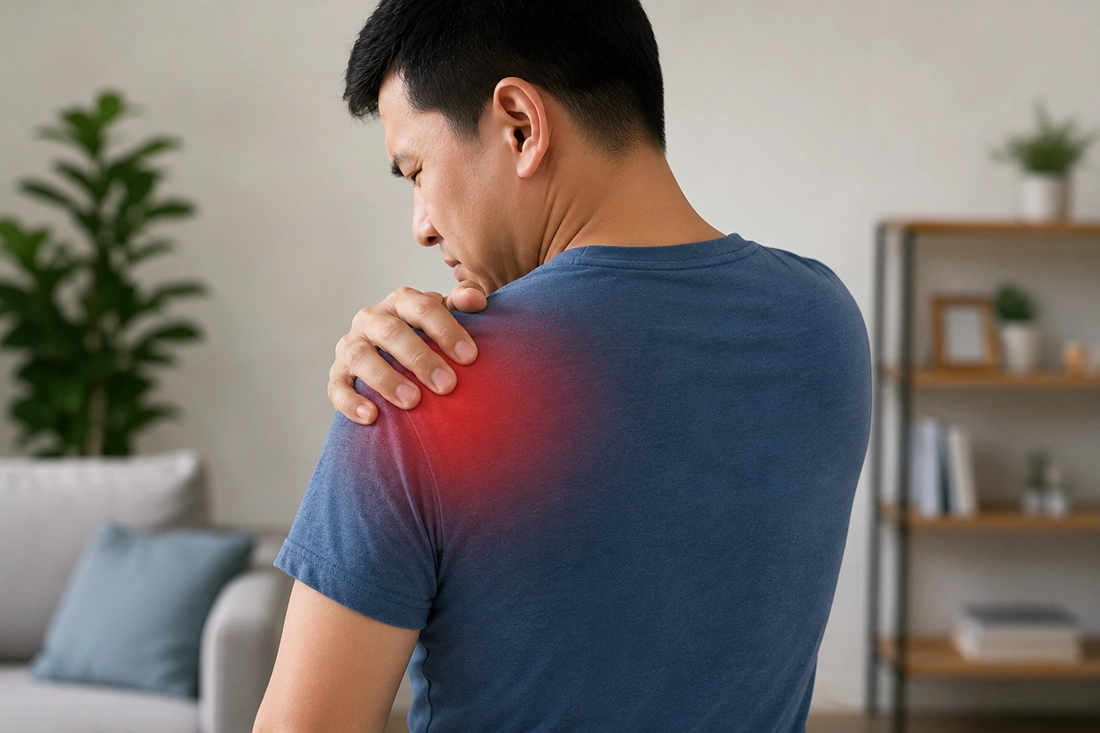
Consult Dr Seng if conservative treatment no longer provides sufficient relief.
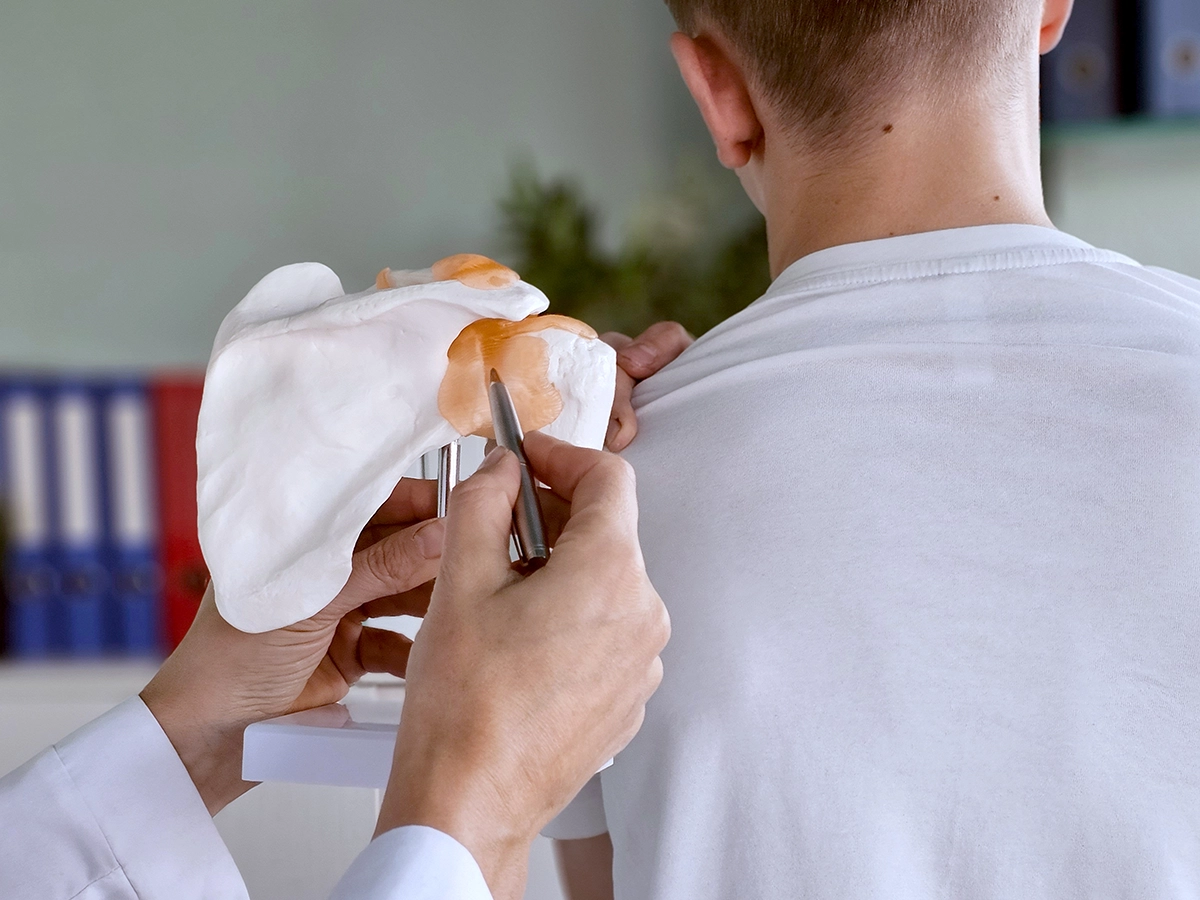
Consult Dr Seng if conservative treatment no longer provides sufficient relief.

Your rotator cuff acts as the primary engine for shoulder rotation, powering every overhead reach and lifting motion. While minor inflammation often settles with rest, a structural tear in these tendons can lead to a progressive loss of strength that physiotherapy alone cannot always bridge.
When a rotator cuff injury fails to heal or continues to interfere with your daily function, surgical repair often becomes the most reliable path to restoring joint stability. However, to ensure you choose the best course of treatment, an accurate diagnosis is the key, allowing for a successful transition toward surgical repair and rehabilitation.
Symptoms That Suggest a Rotator Cuff Injury
A rotator cuff injury rarely appears overnight; instead, symptoms often develop gradually and worsen as the tendon's condition declines. If your shoulder discomfort persists for several weeks despite rest, it’s usually a sign that the injury requires a more targeted evaluation.
Common indicators include:
- Persistent pain that resists rest and over-the-counter medication.
- Disrupted sleep caused by a dull ache when lying on the affected side.
- Significant weakness that limits your ability to lift your arm or reach overhead.
- Restricted movement that complicates daily tasks like dressing or reaching shelves.
- Mechanical sensations such as catching, clicking, or grinding during movement.
While some people can push through mild discomfort, others may experience a progressive loss of function. Recognising these early warning signs is the first step in preventing a partial tear from becoming a more complex, full-thickness injury.
Types of Rotator Cuff Injuries
Rotator cuff injuries are classified by the structural damage to the tendons within the joint. These issues typically stem from an acute trauma, like a fall, or develop as degenerative changes from years of repetitive overhead use. Understanding the specific nature of the tear is essential for determining the most effective treatment path:
Partial Tears
A partial tear occurs when the tendon sustains damage but remains partially attached to the bone. While you may still have some shoulder continuity, the frayed tissue often causes significant pain and a noticeable drop in lifting power. Rotator cuff treatment plans for these types of injuries usually start with physiotherapy and activity modification, though surgery remains an option if structured care fails to restore comfort.Complete Tears
Also known as a full-thickness tear, a complete tear occurs when the tendon pulls entirely away from the bone. This total detachment often results in a "drop arm" effect, where you struggle to raise or sustain the weight of your arm. Because the tendon cannot reattach on its own, surgery is often the primary recommendation to restore mechanical function and joint stability.
When Is Surgery Needed?
Surgery isn’t usually the first choice because many rotator cuff injuries improve with non-surgical care. However, if conservative treatments stop working or aren't enough to get you back to your normal life, surgery may be the best way to stop the injury from getting worse.
You might need to consider surgery if you experience:
- Persistent pain that doesn't improve even after 3 to 6 months of regular physiotherapy.
- Growing weakness that makes it hard to do your job, look after your family, or handle daily tasks.
- Large or complete tears shown on your scans that make it difficult to move or lift your arm.
- Worsening symptoms even though you are strictly following your rehabilitation exercises.
- A sudden, severe tear caused by an accident
If these signs are present, your surgeon will explain the procedure, the risks, and what to expect during recovery. This helps you make a clear decision based on your own needs and goals for getting better.
Recovery After Rotator Cuff Surgery
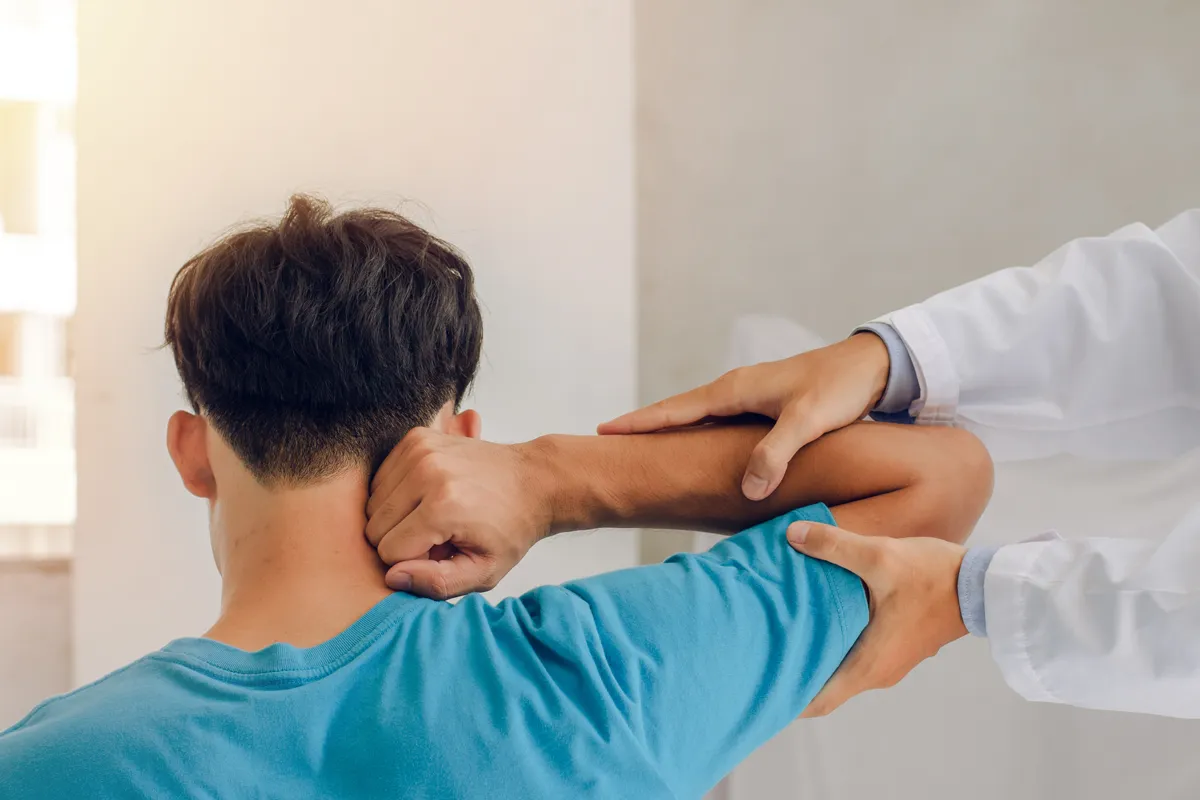
Recovering from rotator cuff surgery is a gradual process designed to protect the repair while slowly restoring your shoulder’s movement. Following a structured plan helps the tendon heal securely to the bone and ensures a safe return to your daily routine.
During your recovery, here’s what to keep in mind:
- Early Protection: Immediately after surgery, you will wear a sling to support your arm and protect the repair while the tendon begins to heal.
- Pain Management: Your care team will provide specific medications and instructions to keep you comfortable during the first few days at home.
- Light Activity: Most patients can return to light daily tasks within 6 to 8 weeks, though you must still avoid heavy lifting or reaching.
- Full Recovery: Returning to more demanding activities or sports takes longer and requires regular follow-ups with your specialist to monitor your progress.
Choose the Right Specialist for Your Rotator Cuff Needs
Choosing the right specialist is the most important step for your shoulder mobility. An early, professional assessment ensures your treatment is based on an accurate diagnosis rather than guesswork. Whether you need targeted rehab or minimally invasive surgery, the right doctor helps you fix the root cause and avoid long-term complications like permanent weakness or tendon retraction.
At Axis Shoulder Injury Clinic, Dr Seng Chusheng provides personalised, evidence-based care for all types of rotator cuff injuries. By focusing on the structural health of your shoulder, he ensures you receive the most effective path to a pain-free life. If persistent shoulder pain or weakness is holding you back, schedule your consultation with us and start your recovery today.
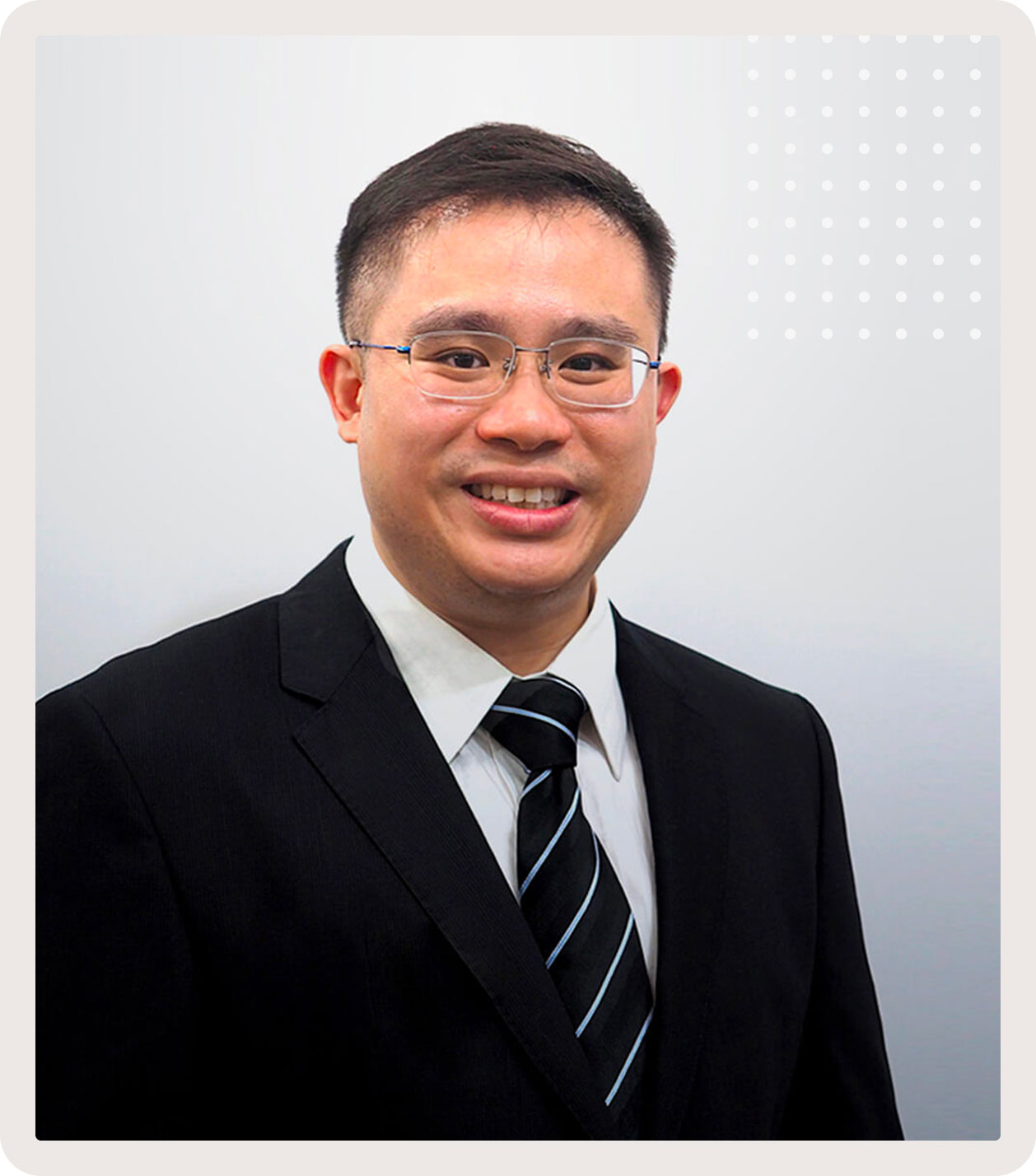
Dr Seng Chusheng
Senior Consultant Orthopaedic Surgeon (Sports & Exercise Medicine)
MBBS (Singapore), MRCS (Edinburgh), MMed (Orth), FRCS (Edinburgh)
Dr Seng Chusheng is a senior consultant orthopaedic surgeon with over 20 years of clinical experience and a focus on shoulder conditions. He manages a broad range of shoulder problems, including rotator cuff tears, shoulder dislocations, frozen shoulder and arthritis. Dedicated to supporting shoulder recovery, he provides personalised treatment plans aimed at restoring movement, reducing pain and improving daily function.
Dr Seng completed his MBBS and Master of Medicine in Orthopaedic Surgery at the National University of Singapore and is a Fellow of the Royal College of Surgeons of Edinburgh, UK. His approach emphasises careful diagnosis and evidence-based treatment, with close collaboration with physiotherapists to support recovery.
At Axis Shoulder Injury Clinic, supporting our patients in their recovery and regaining of mobility is our top priority.
We warmly welcome patients with shoulder injuries to experience our customised treatment. Call us at 9711 8888 for same-day or next day consultation!
Contact Info

Mount Elizabeth Novena Medical Centre
38 Irrawaddy Road, #06-33Singapore 329563
Parkway East Medical Centre
319 Joo Chiat Place, #04-08,Singapore 427989
Mount Alvernia Medical Centre A
820 Thomson Road, #03-08,Singapore 574623

Telephone


Operating Hours
| Mon - Fri | : | 8:30am - 5:30pm |
| Sat | : | 8:30am - 12:30pm |
| Sunday & PH : Closed | ||