





Consult Dr Seng if conservative treatment no longer provides sufficient relief.
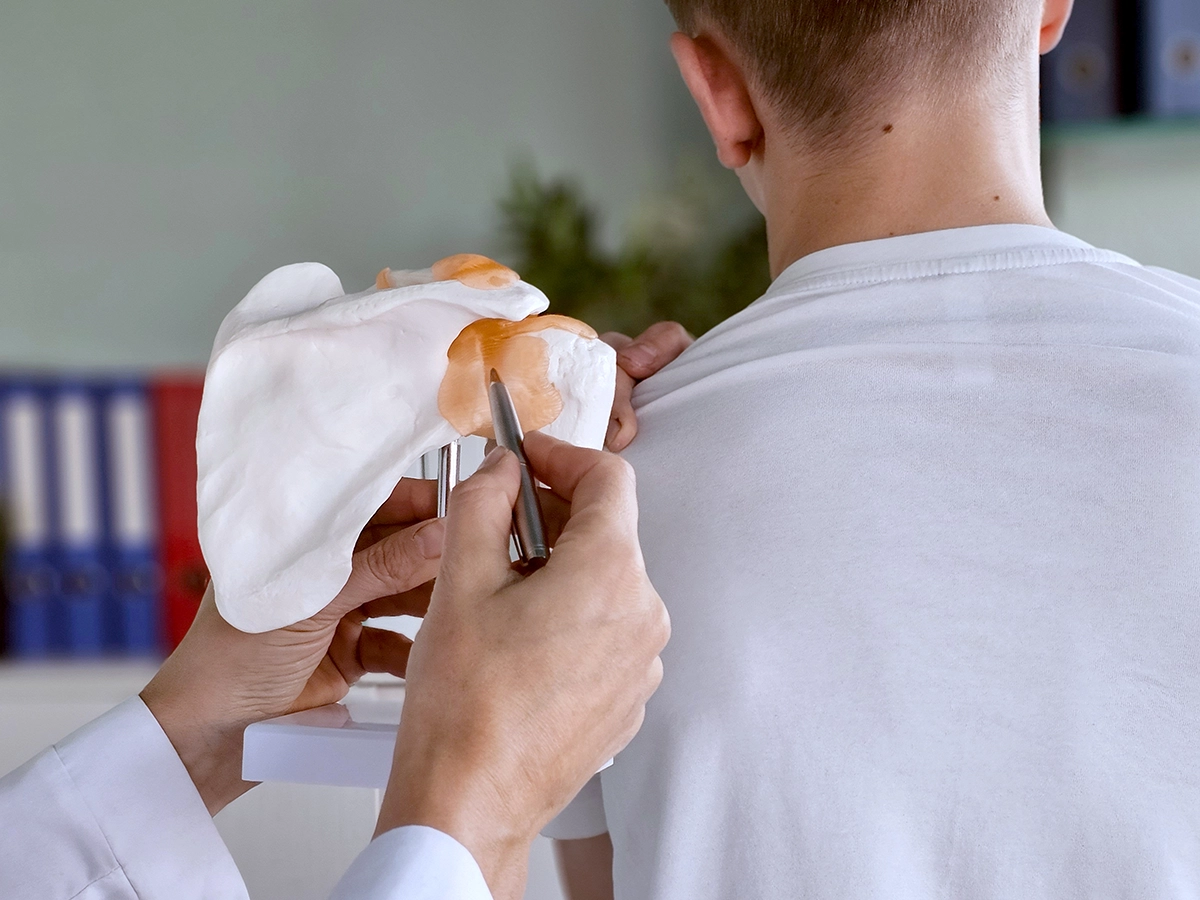
Consult Dr Seng if conservative treatment no longer provides sufficient relief.

While it may be tempting to wait for the pain to settle on its own, ignoring these aches allows minor issues to develop into chronic injuries that are much harder to treat. Therefore, it's essential to consult with a reputable specialist as soon as possible to ensure your joint remains stable and to prevent permanent loss of mobility.
Read on as we look at the common causes and warning signs of shoulder damage, so that you know exactly when to get professional help to keep your shoulder strong for work, sports, and daily life.
Common Causes of Shoulder Pain
The following conditions may warrant evaluation at a shoulder pain clinic:
Rotator Cuff Tear
Frozen Shoulder
Shoulder Impingement
Dislocation or Instability
Arthritis
Tendinitis or Bursitis
Warning Signs You Should Not Ignore
If you experience any of the following, you should seek a professional assessment:
- Persistent pain that lasts more than 1 to 2 weeks despite rest.
- Lost sleep due to a deep, throbbing ache that disrupts your rest at night.
- Feeling of weakness, numbness, or tingling anywhere in your arm or hand.
- Struggling to lift or rotate your arm during simple daily tasks.
- Noticing visible swelling, redness, or a deformity around the shoulder joint.
- Suffering sharp pain immediately following a trauma, fall, or accident.
How Shoulder Specialists Diagnose the Problem

The diagnostic process typically includes:
- Comprehensive Medical History: Your specialist reviews when the pain began, how it has evolved, and whether previous injuries or specific work activities are contributing to the condition.
- Physical Examination: A thorough assessment of your shoulder's strength, range of motion, and joint stability helps identify specific areas of tenderness and mechanical dysfunction.
- Targeted Imaging Tests: X-rays are used to evaluate bone alignment and arthritic changes, while MRI or ultrasound scans provide a detailed look at tendons, ligaments, and soft tissue damage.
- Specialised Clinical Tests: Your doctor performs specific movement tests to confirm suspected conditions like impingement, rotator cuff tears, or chronic shoulder instability.
Don't Let Shoulder Pain Become a Permanent Limitation
At Axis Shoulder Injury Clinic, Dr Seng Chusheng focuses on identifying the mechanical root of your injury to deliver precise, effective results. Whether you are dealing with gradual wear and tear or a sudden impact injury, our goal is to restore your joint stability and get you back to your active lifestyle. If your shoulder is holding you back from work or play, book your specialist assessment with us today and take the first step towards restoring comfortable movement and function.
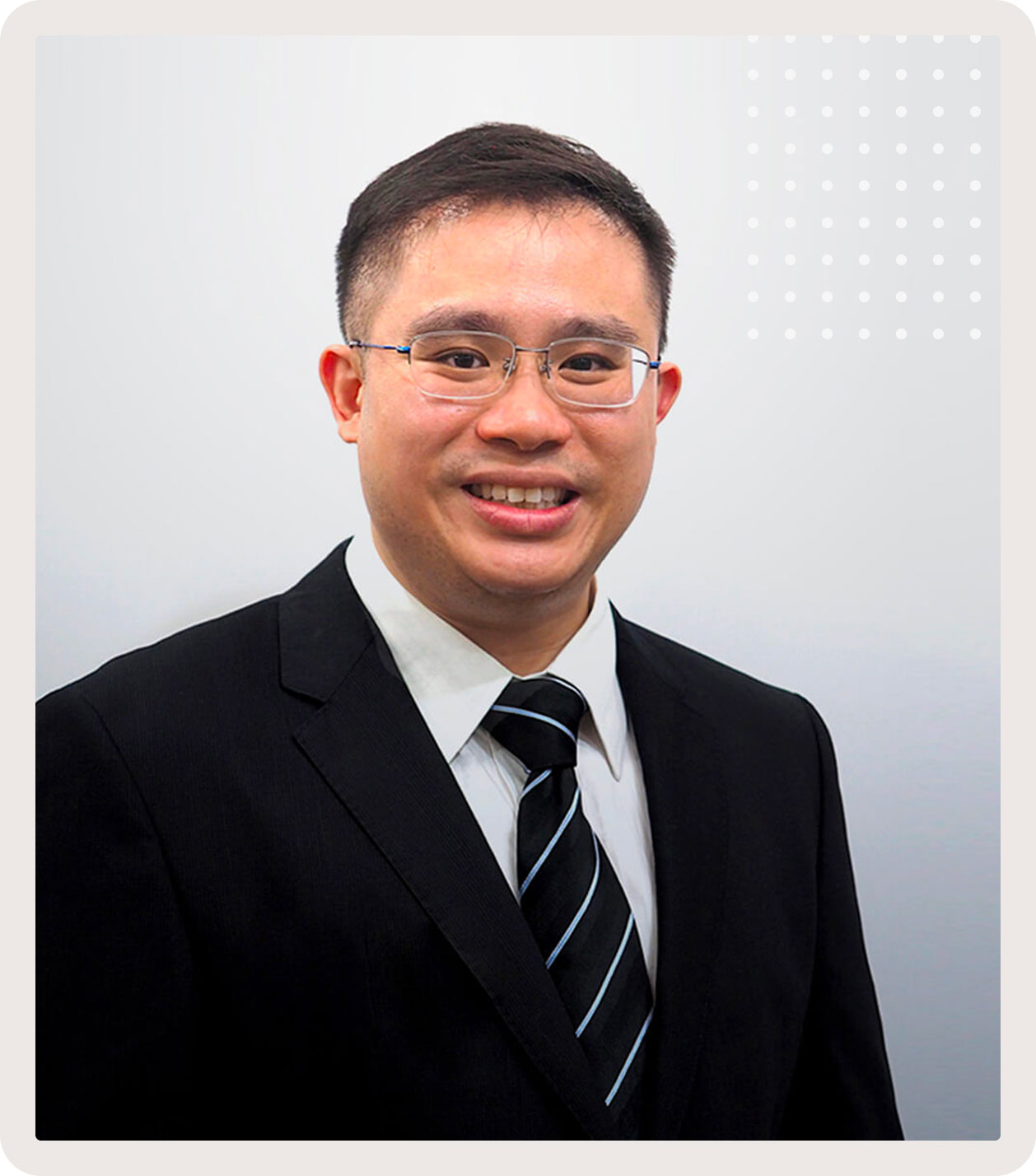
Dr Seng Chusheng
Senior Consultant Orthopaedic Surgeon (Sports & Exercise Medicine)
MBBS (Singapore), MRCS (Edinburgh), MMed (Orth), FRCS (Edinburgh)
Dr Seng Chusheng is a senior consultant orthopaedic surgeon with over 20 years of clinical experience and a focus on shoulder conditions. He manages a broad range of shoulder problems, including rotator cuff tears, shoulder dislocations, frozen shoulder and arthritis. Dedicated to supporting shoulder recovery, he provides personalised treatment plans aimed at restoring movement, reducing pain and improving daily function.
Dr Seng completed his MBBS and Master of Medicine in Orthopaedic Surgery at the National University of Singapore and is a Fellow of the Royal College of Surgeons of Edinburgh, UK. His approach emphasises careful diagnosis and evidence-based treatment, with close collaboration with physiotherapists to support recovery.
At Axis Shoulder Injury Clinic, supporting our patients in their recovery and regaining of mobility is our top priority.
We warmly welcome patients with shoulder injuries to experience our customised treatment. Call us at 9711 8888 for same-day or next day consultation!
Contact Info

Mount Elizabeth Novena Medical Centre
38 Irrawaddy Road, #06-33Singapore 329563
Parkway East Medical Centre
319 Joo Chiat Place, #04-08,Singapore 427989
Mount Alvernia Medical Centre A
820 Thomson Road, #03-08,Singapore 574623

Telephone


Operating Hours
| Mon - Fri | : | 8:30am - 5:30pm |
| Sat | : | 8:30am - 12:30pm |
| Sunday & PH : Closed | ||